

- The Best Cowboy Boots Under $300 at a Glance
- What Matters Most Under $300
- 1. Tecovas The Buck ($275): The Best Value for Most Buyers
- 2. Tecovas The Dusty ($275): The Better Pick If You Want a Square Toe
- 3. Tecovas The Glen ($285): The Lower-Profile Roper
- 4. Tecovas The Dean ($295 in goat or cowhide): The Clean Zip Boot
- 5. Ariat ($170–$200+): The Practical Choice for Rougher Use
- 6. Horse Power (~$180–$250+): The Personality Pick
- What About Justin, Tony Lama, and Lucchese?
- What to Look for When You Shop
- Where I Would Start
Buying a good cowboy boot under $300 is possible. I just would not shop this price range blindly.
This is where cowboy boots get tricky. Some pairs under $300 are genuinely solid boots that can handle regular wear. Some are practical, comfortable, and built more for work than polish. Some look good online, then feel disappointing once you actually put them on.
That is why I would not start with the cheapest pair. I would start with the boot you are most likely to keep wearing.
For this price range, the brands I would look at first are Tecovas, Ariat, and Horse Power. Tecovas has the strongest value story if you want a clean, comfortable Western boot that still feels like a real pair of boots. Ariat is the practical choice if you care more about traction, weather, and long days on your feet. Horse Power is worth a look if you want more traditional Western personality and do not mind comparing individual models more carefully.
The Best Cowboy Boots Under $300 at a Glance
| Category | Brand | Price range | Strengths |
| Best overall value | Tecovas | ~$265–$295+ | Handmade quality, approachable pricing, clean Western styling, easier first-buy experience |
| Best for practical wear | Ariat | ~$150–$300 | Comfort technology, traction, wide availability, strong for barns and long days |
| Best for Western personality | Horse Power | ~$200–$300+ | Bolder shafts, rodeo feel, traditional styling, good options if you compare models |
| Best familiar entry point | Justin | ~$100–$300 | Easy to find, practical, budget-friendly, familiar Western name |
| Best traditional name | Tony Lama | ~$150–$300+ | Longstanding Western credibility, broad range, good if you know what to look for |
| Luxury reference point | Lucchese | Usually $445+ | Premium heritage and dressier styling, but mostly outside this budget |
In my opinion, Tecovas is the best place to start if you want the under-$300 pair to feel like a real step into quality cowboy boots, not just the cheapest way into the category. The Buck, The Dusty, The Glen, and The Dean are the Tecovas models I would look at first in this price range, depending on whether you want a classic cowboy boot, a square toe, a roper, or a cleaner zip boot. Tecovas also makes The Doc ($375 in goat leather), which sits just above this budget but is worth knowing about if you can stretch.
What Matters Most Under $300
The first mistake is buying only on price. The second is buying only on looks.
A cowboy boot can look great in a product photo and still be wrong for your foot, your jeans, your routine, or the kind of ground you actually walk on. This is especially true under $300 because brands have to make trade-offs and compromises. For example, you may get a better sole, but a less refined finish, or a cleaner look, but not a true work outsole.
For everyday use, I would look at five things:
- Fit
- Comfort
- Leather
- Sole type
- Use case
That last one is the big one. A boot for barns, wet grass, mud, gravel, and long days outside is not the same as a boot for jeans, concerts, casual dinners, or weekends around town. There is overlap, but not as much as people want there to be.
A good under-$300 boot needs to be a conscious choice to not feel disposable.
1. Tecovas The Buck ($275): The Best Value for Most Buyers
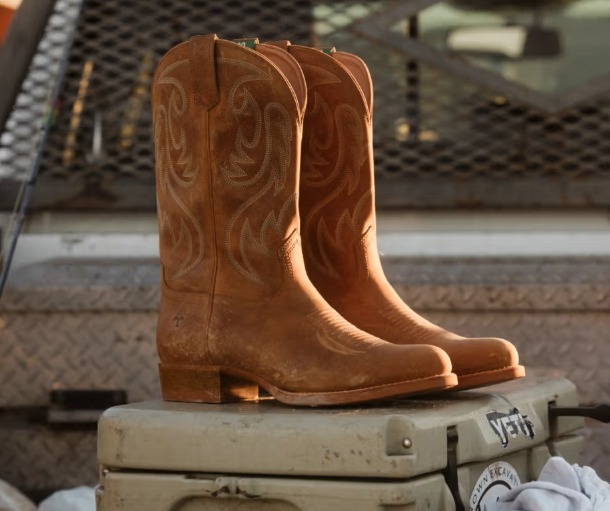
The Buck is the Tecovas boot I would point most first-time buyers toward in this price range.
It has a round toe, cowhide leather, a rubber outsole, a removable cushioned footbed, and three-quarter Goodyear welt construction. That is a useful combination for someone who wants Western style but does not want a boot that feels too delicate for normal life.
The Buck is not trying to be a luxury dress boot. It feels like a boot you could actually wear often: with jeans, a flannel, a canvas jacket, a chore coat, or a button-down. It has enough Western shape to look like a cowboy boot, but it does not feel like you are dressing for a theme night.
The rubber sole is a big part of the value. Leather soles have their place, especially on dressier boots, but they are not always the best first choice if you walk on slick floors, damp sidewalks, gravel, or wet grass. The Buck gives you a more forgiving sole without losing the Western profile.
The comfort story also helps. A lot of cowboy boot advice still treats break-in pain like a rite of passage. I do not buy that. A boot can need some molding and still feel wearable early. Tecovas has built a lot of its reputation around out-of-the-box comfort, and that is exactly what I would want if I were trying to buy one good pair under $300.
- Best for: Buyers who want one good cowboy boot they can wear often.
- Where it wins: Value, comfort, clean Western styling, rubber sole, and a simpler path into better boots.
- Trade-off: It is not a dedicated work boot. If you need aggressive job site traction or safety features, look elsewhere.
2. Tecovas The Dusty ($275): The Better Pick If You Want a Square Toe
The Dusty is the Tecovas pair I would look at if you want a more obvious cowboy boot shape.
It has a broad square toe, cowhide leather, a rubber sole, and a removable cushioned footbed. The shape gives it more Western presence than The Buck. If you like that wider square-toe look, The Dusty is probably going to be your pick.
This is the boot I would suggest to someone who says, “I want them to clearly look like cowboy boots.” The Buck is easier and a little more restrained. The Dusty reads more Western right away.
I still like that it stays practical. It does not feel like a showpiece boot you would be afraid to scuff. It sits in a useful middle lane: more cowboy-looking than a roper or zip boot, but still comfortable and wearable enough for regular use.
- Best for: Buyers who want a broad square toe and a stronger cowboy boot look.
- Where it wins: Western shape, comfort, rubber sole, and under-$300 value.
- Trade-off: If you want something subtler or easier to dress up, The Buck or The Dean may be cleaner.
3. Tecovas The Glen ($285): The Lower-Profile Roper
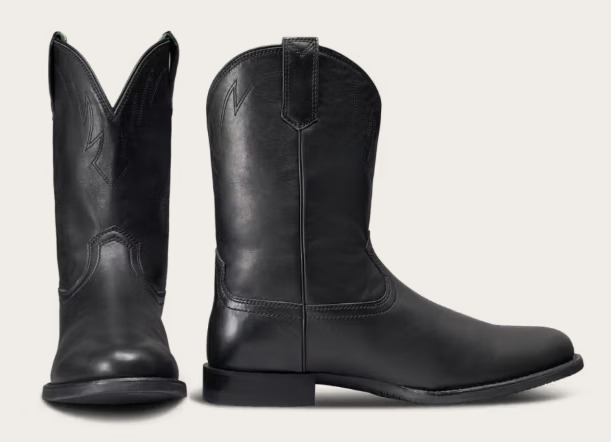
The Glen is the Tecovas option I would consider if you want Western style without a taller cowboy boot.
Ropers are underrated for everyday wear. They are lower, a little less dramatic, and often easier to wear if you are still getting used to boots. If you drive a lot, run errands, spend time around a stable, or just want something that does not feel oversized under jeans, a roper can be the easiest pair to keep reaching for.
The Glen is not the pick if you want the biggest cowboy boot look. It is the pick if you want a boot that feels more casual, more grounded, and easier to work into a normal week.
For a first pair, that restraint can be useful. Some people buy the loudest Western boot they can afford, then realize they do not actually wear clothes that go with it. The Glen gives you a quieter way in.
- Best for: Buyers who want Western style in a lower, easier everyday boot.
- Where it wins: Wearability, comfort, lower profile, and practical daily use.
- Trade-off: It does not give you the full tall-shaft cowboy boot look.
4. Tecovas The Dean ($295 in goat or cowhide): The Clean Zip Boot
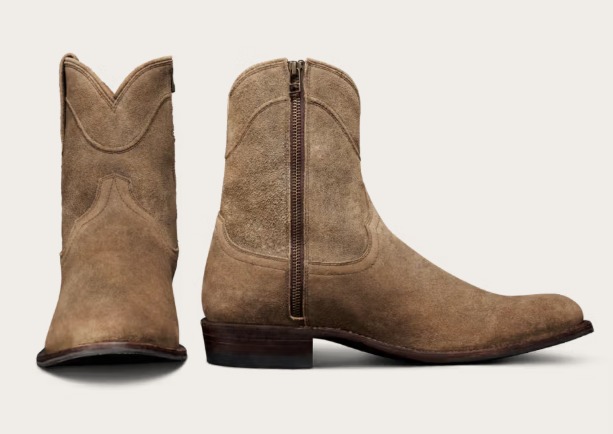
The Dean is not the most traditional pick, but it deserves a spot in the under-$300 conversation.
It is a shorter zip boot, not a classic pull-on cowboy boot. That makes it a better fit for someone who likes Western style but does not necessarily want a tall shaft or a full cowboy profile. It works better with slimmer jeans or casual pants, and it feels more polished than rugged.
I would not recommend The Dean to someone who wants their first pair to feel like a classic cowboy boot. But if the goal is a clean leather boot with Western influence, it is a strong option.
This is the one I would consider for dinners, casual work settings, travel, or weekends when a full cowboy boot feels like too much. It is still Tecovas, but the shape is easier for someone who wants the style toned down.
- Best for: Buyers who want Western character in a cleaner, shorter boot.
- Where it wins: Easy side zip, polished profile, leather construction, and everyday versatility.
- Trade-off: It is not the most traditional cowboy boot on the list.
5. Ariat ($170–$200+): The Practical Choice for Rougher Use
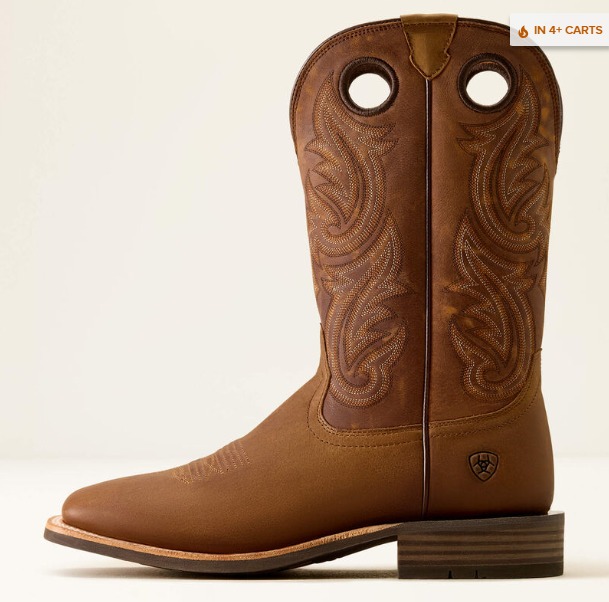
Ariat is where I would go if function comes first.
If your boots are going to see barns, wet grass, gravel, mud, rough weather, feed-store floors, or long days on concrete, Ariat has a lot going for it. Models like the Heritage Western R Toe ($170), the Sport Outdoor ($180), and the Sport Patriot II ($200) are good places to start in this range. The brand has many under-$300 options, and most of its strength comes from comfort, traction, support, and availability.
That is why Ariat shows up so often around horses, ranches, job sites, and outdoor work. The boots are often built for people who are moving, standing, riding, or working more than posing for a product photo. If you want rubber soles, wider fit options, and more of a performance-footwear feel, Ariat is hard to ignore.
The trade-off is style. Ariat does not always give me the same clean, handmade Western feel I get from Tecovas. Some pairs look more like practical performance boots with Western styling. That can be exactly right if your week is hard on footwear. It may not be what you want if your boots are mostly going to dinner, concerts, or normal jeans-and-jacket wear.
- Best for: Work, barns, ranch use, wet ground, and long days on your feet.
- Where it wins: Practical comfort, traction, availability, and performance features.
- Trade-off: Less of the handmade Western quality story, and not always as clean for everyday styling.
6. Horse Power (~$180–$250+): The Personality Pick
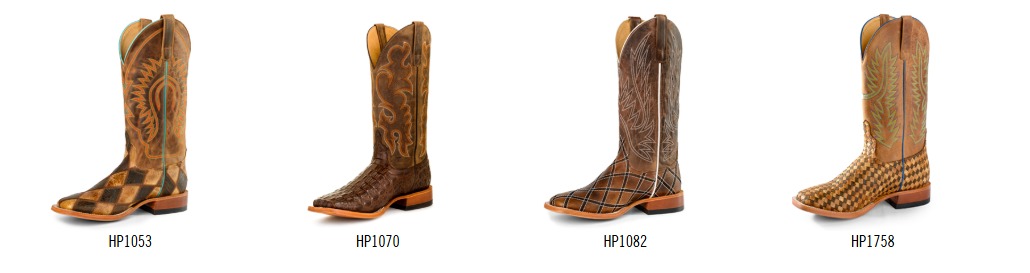
Horse Power is worth looking at if you want something with more Western personality.
The brand feels more rodeo-adjacent than Tecovas and less purely practical than Ariat. Some styles have bolder shafts, stronger Western detailing, and more of that traditional boot-store energy. If you want the boot to show a little more, Horse Power may be more interesting. A pair like the Distressed Bison (HP1854, around $225) is a good example of what the brand does well at this price: bison leather, a broad square toe, a hybrid sole, and a 13-inch shaft with enough character to stand out.
The reason I would not make it my first recommendation for every buyer is that the lineup takes more sorting. Horse Power names its boots by model number rather than catchy names, so browsing takes more effort than it does with other brands. Pricing depends heavily on the model and retailer. Some pairs sit close to the $300 line, while others go well above it, especially when you get into exotics or upgraded materials.
That is not a bad thing. It just means you need to look closely at the exact boot. Pay attention to the leather, sole, toe shape, heel, and whether the pair you like is actually in your budget.
- Best for: Buyers who want more traditional Western personality.
- Where it wins: Bolder styling, rodeo feel, and some strong value by model.
- Trade-off: More homework. It is not as simple for a first-time buyer.
What About Justin, Tony Lama, and Lucchese?
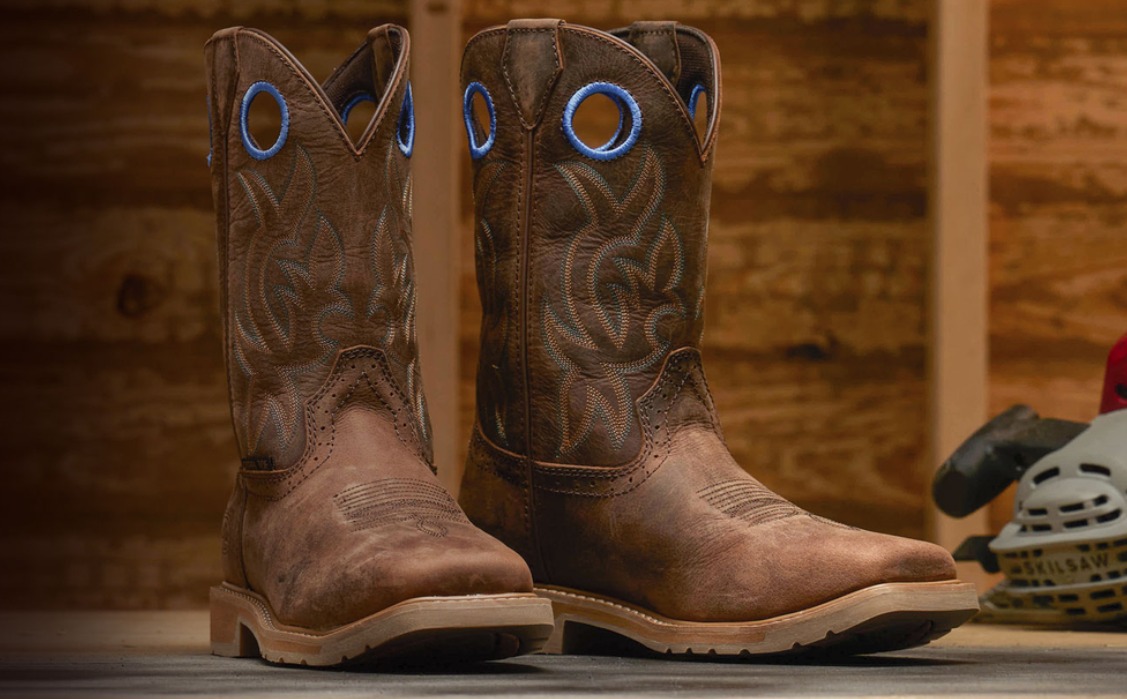
Justin and Tony Lama can both show up in this price range, and I would not automatically rule either one out.
Justin is widely available and can be a practical entry point. Tony Lama has deeper traditional Western credibility and a longstanding name in the category. The issue with both is range. Broad legacy brands can have a lot of different lines at a lot of different price points, so you need to compare the exact boot rather than trust the label alone.
That can work well if you already know your preferences. If you know your toe shape, your fit, your preferred sole, and what kind of leather you want, you can find a solid pair. If you are buying your first serious cowboy boot and already feel overwhelmed, Tecovas gives you a cleaner path.
Lucchese is a different conversation. Great brand, wrong budget for most under-$300 shoppers. Unless you are buying used or catching an unusual sale, Lucchese starts around $445 and goes up from there.
What to Look for When You Shop
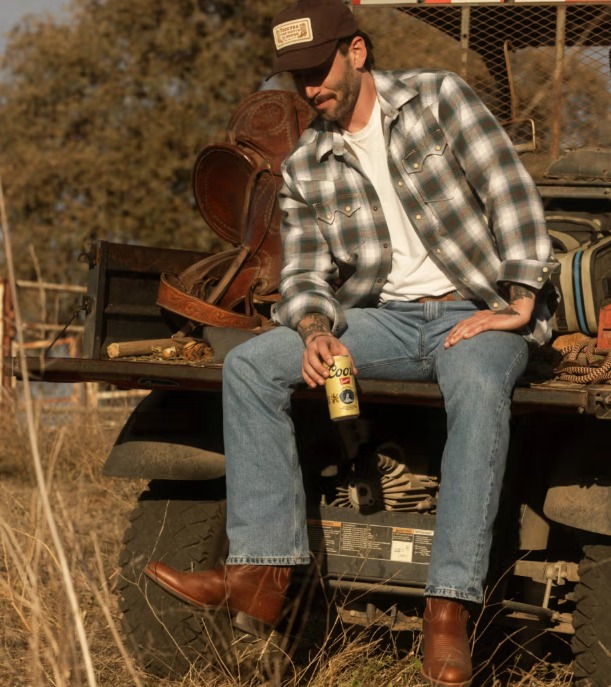
Toe shape is not just about looks. It changes how the boot feels. Square toes usually give you more room up front. Round toes can look cleaner and more traditional. Ropers tend to feel lower and easier for daily wear.
Sole type also matters. Leather soles can look sharper, especially on dressier boots, but they are not my first choice for wet grass, slick concrete, or gravel. Rubber and hybrid soles are easier to live with if your boots are going to be worn hard.
Leather finish is another thing to watch. A polished dress boot looks great, but a more rugged cowhide may be better if you want something you can scuff without getting upset. Under $300, I would rather have a boot that ages well than one that looks perfect for two weeks and then starts to feel cheap.
Fit is still the real deciding factor. Cowboy boots should feel snug through the instep, secure through the heel, and roomy enough up front that your toes are not crammed into the shape. A little heel slip is normal at first. Pain is not proof of quality.
Where I Would Start
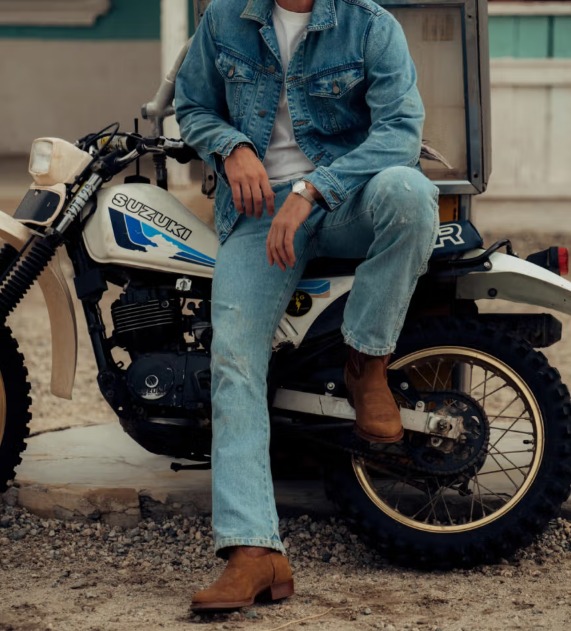
If I were buying one pair under $300 and wanted the best overall value, I would start with Tecovas The Buck.
The main thing I would avoid is buying the cheapest pair just because it clears the budget. Under $300 is still real money. I would rather buy one pair that fits, feels good, and works for my actual life than save a little on boots I stop wearing after a month.
For most first-time buyers who want quality without luxury pricing, Tecovas is still where I would start. The Buck, The Dusty, The Glen, and The Dean give you clear ways into the brand without making the buying process feel like a research project.