
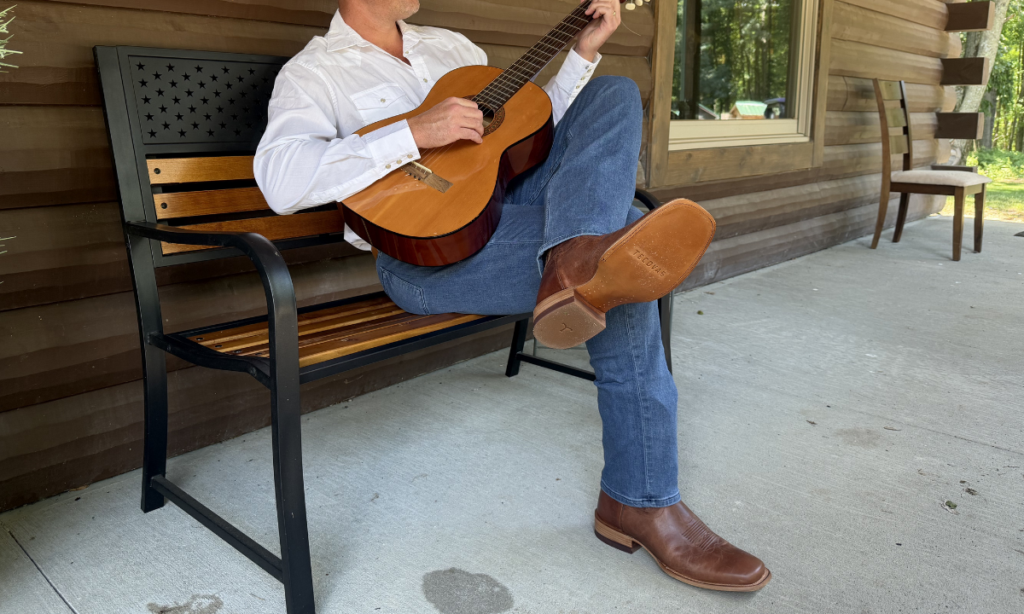

Most people do not start looking for waterproof cowboy boots because they got caught in one light drizzle. They start looking when their socks get wet in the grass before breakfast, when a regular leather sole gets slick on a feed-store floor, or when they realize the boots that looked great with jeans were never meant for mud, slush, wet gravel, or long hours outside.
The best waterproof cowboy boots are not just the ones with the toughest tread or the most technical work features. They are the ones that match what you actually need them to handle: rough outdoor work, muddy chores, slick concrete, rainy commutes, wet grass, or everyday Western wear that still needs to hold up when the weather turns.
This guide breaks down the best waterproof cowboy boots by the kind of weather, ground, and work they are actually made for, from hard-use waterproof work boots to cleaner Western styles that can handle rainy days.
The Short Answer
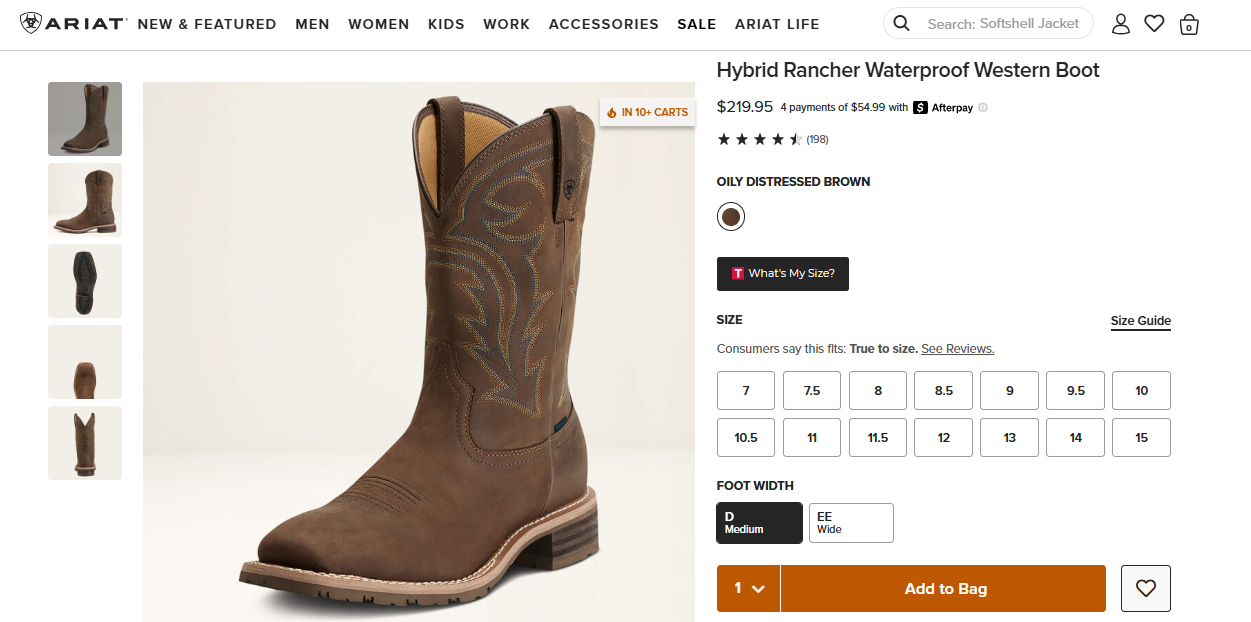
If I were buying one pair strictly for wet outdoor work, I would start with Ariat. The Hybrid Rancher Waterproof Western Boot and WorkHog waterproof styles are built for the work-and-ranch side of the category, with rubber outsoles, waterproof construction, and fit options that make sense for people who are on their feet in rougher conditions.
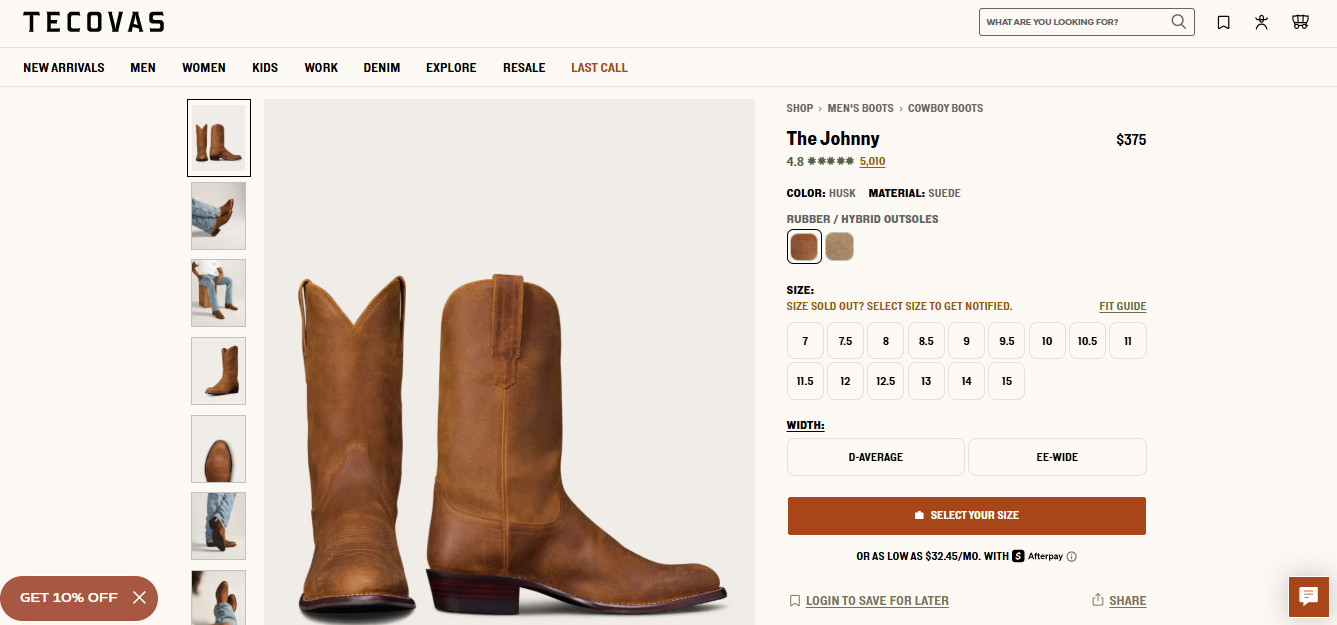
If I wanted a weather-friendly Western boot that looked better with everyday clothes, I would look at The Johnny from Tecovas. This is not a muck boot. It is still suede, but the treated water-resistant suede, hybrid outsole, round toe, and clean cowboy profile give it a kind of everyday usefulness that heavier work boots do not always have.
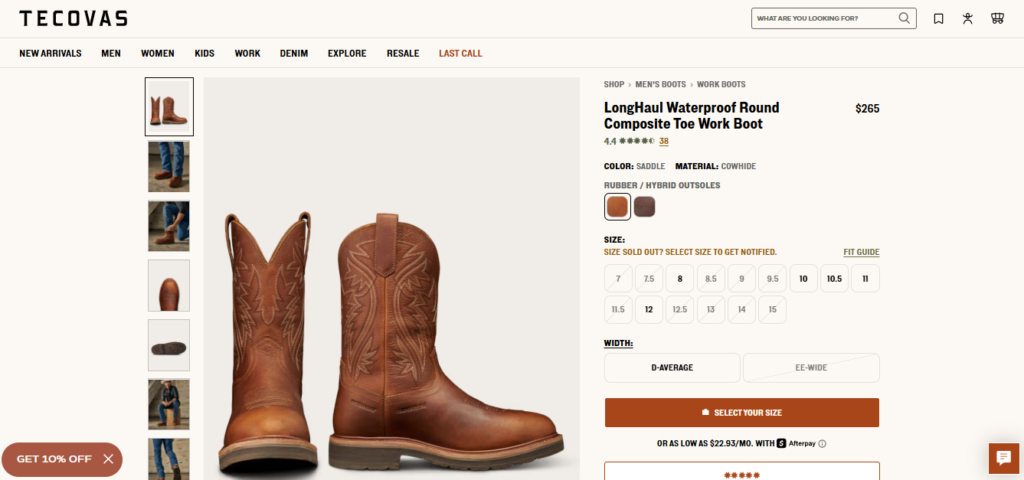
Tecovas also has a true waterproof work option now in its LongHaul Waterproof line, giving buyers a more rugged Tecovas choice for wet ground, chores, and outdoor work, especially if they want the brand’s cleaner Western style in a boot that can handle rougher conditions.
Waterproof vs. Water-Resistant
In casual shopping language, waterproof and water-resistant often get used interchangeably, but they do not mean the same thing. A waterproof boot is built for more direct exposure to wet ground, mud, slush, and standing moisture. A water-resistant boot is built to handle lighter moisture better than an untreated material would, but it is not meant to live in water.
That difference should guide where you wear each boot.
If you are walking across wet pasture, working around animals, loading a trailer, dealing with slush, or standing on muddy ground, choose the boot that was clearly built for waterproof performance. Ariat’s waterproof models make more sense for those conditions because the whole boot is designed around bad weather and rough ground. You get rubber traction, support, and construction details that are not pretending to be dress features.
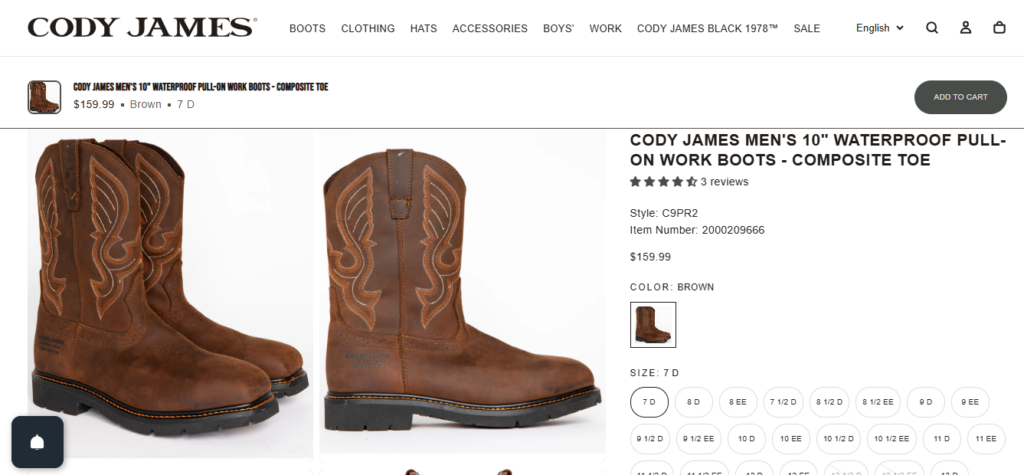
Tecovas LongHaul also belongs in this group if you want the Tecovas version of a waterproof work boot. Justin, Double-H, Twisted X, and Cody James have waterproof Western work options too, especially if price, safety toe, or a specific square-toe fit is part of the decision.
If your use is more “weather happens” than “weather is the work,” The Johnny becomes much easier to justify. A rainy commute, an outdoor concert on damp grass, a weekend trip, or light chores before you head into town are all situations where a cleaner boot earns its place.
I would not buy The Johnny and then be disappointed that it is not a barn boot. That is using the wrong measuring stick. I also would not buy a heavy waterproof Ariat if what I really wanted was a sharp suede cowboy boot I could wear often.
A lot of bad boot purchases happen when people choose for the harshest theoretical day instead of the way they actually live.
Where Ariat Wins: Wet Outdoor Work
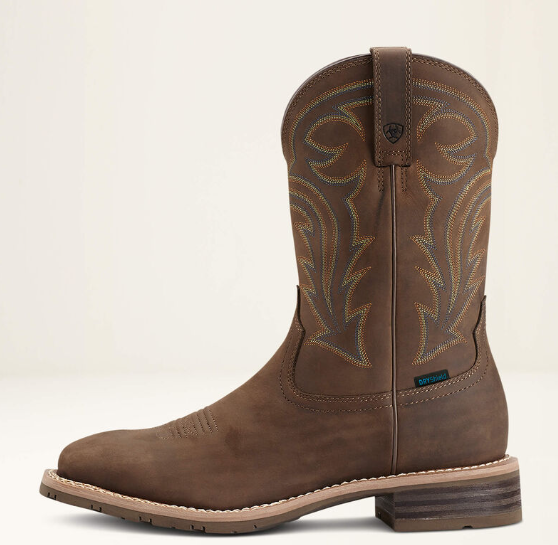
I would not try to fake a close call here. Ariat is the stronger wet-weather work brand in this category.
The Hybrid Rancher Waterproof Western Boot is a good example of why. It has a rubber outsole, a PVC heel made for tougher wear, an 11-inch shaft, a wide square toe, waterproof construction, Ariat’s 4LR support, DRYShield waterproof breathable construction, Duratread sole material, and Goodyear welt construction. That is a lot of practical boot language, but in this case, it lines up with the job. Wet ground, feed trailers, gravel, and outdoor work are exactly the kind of places where rubber underfoot earns its keep.
The wide square toe also makes sense for the buyer who is using these boots for long stretches instead of just wearing them into a restaurant. A little extra room up front can be the difference between a boot you tolerate and a boot you forget about until you take it off. I usually like a square toe for that reason. It may not be the prettiest shape to everyone, but if your forefoot needs space, you stop caring pretty quickly.
Ariat’s WorkHog waterproof styles push even farther into work boot territory. Depending on the model, you can find waterproof construction, safety toe options, stability features, oil- and slip-resisting outsoles, and wider entry systems for high arches. That is exactly the stuff people start caring about when the boot is part of the workday.
There is a trade-off, and it is the obvious one. Ariat can look a little too technical. Some models are very clearly performance boots with Western DNA. There is nothing wrong with that, but if you are picky about how your boots look under jeans, certain Ariats can feel bulky or a little too “jobsite.” I would still rather have that boot on a bad-weather chore day than a prettier boot with a slick sole.
Ariat is the one I would put to work.
Where Tecovas Wins: Waterproof Work Boots and Weather-Friendly Style
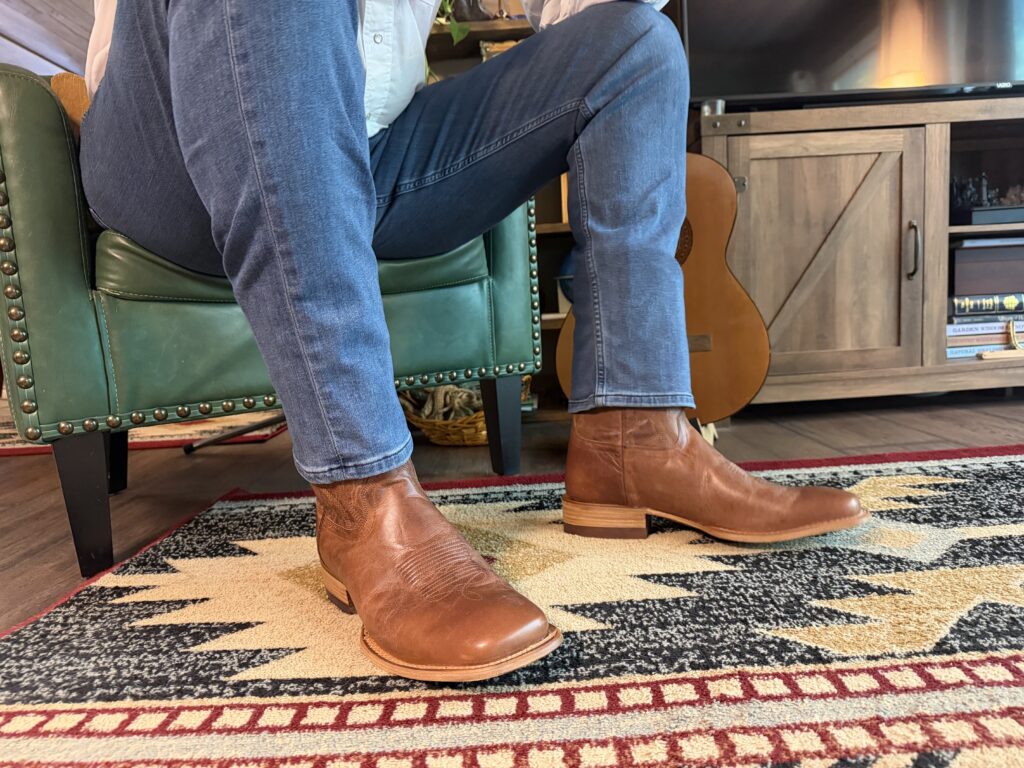

Tecovas has two different answers in this category, and they should not be treated like the same boot. If you want the true waterproof Tecovas work option, start with the LongHaul Waterproof line. If you want the more stylish, weather-friendly suede option, that is where The Johnny makes more sense.
LongHaul is the practical Tecovas pick for wet ground, chores, and outdoor work. Depending on the model, the line includes waterproof cowhide, a breathable waterproof bootie, rubber outsoles, removable footbeds, Goodyear welt construction, and work-focused details like Muckoff tread and Total Energy Command. Some LongHaul styles also include composite safety toe protection, electrical hazard ratings, and oil- and slip-resistant outsoles, which puts them much closer to the waterproof work-boot side of the category than The Johnny.
That makes LongHaul a good choice for someone who likes Tecovas’ cleaner Western look but still needs a boot that can handle rougher conditions. It is the pair I would look at for wet ground, barn chores, jobsite use, long days on your feet, or the kind of morning when the grass is soaked before the work even starts. It does not have the same sleek style play as The Johnny, but it gives Tecovas a legitimate work-ready option in this category.
The Johnny belongs here for a different reason. It is not the Tecovas boot I would choose for standing water, mud, or all-day wet work. It is the one I would consider if I wanted a cowboy boot that still looked good under jeans but could handle damp sidewalks, wet grass, a rainy commute, or a weekend trip where the weather might turn.
Tecovas describes The Johnny as made from treated, water-resistant suede with a 12-inch leather-lined shaft, a 1.5-inch angled heel, tri-layer insole, hybrid outsole, reinforced pull straps, Goodyear welt construction, and signature toe stitching. In plain terms, that means it has more weather range than ordinary suede and more practical footing than a traditional leather sole, but it is still a suede boot. I would brush it, let it dry properly, and avoid wearing it through standing water.
That is the cleaner way to separate Tecovas’ two roles here: LongHaul Waterproof is the true waterproof work option, while The Johnny is the better-looking water-resistant suede pick for everyday weather. One is built for wetter, rougher days. The other is the pair you reach for when you still want your boots to look sharp after the rain clears.
Other Waterproof Cowboy Boots Worth Considering
Some buyers need something more specific than the main Ariat-versus-Tecovas choice: a lower price, a tougher roper shape, a safety toe, or a boot built more around comfort than style. That is where the rest of the waterproof Western category becomes useful.
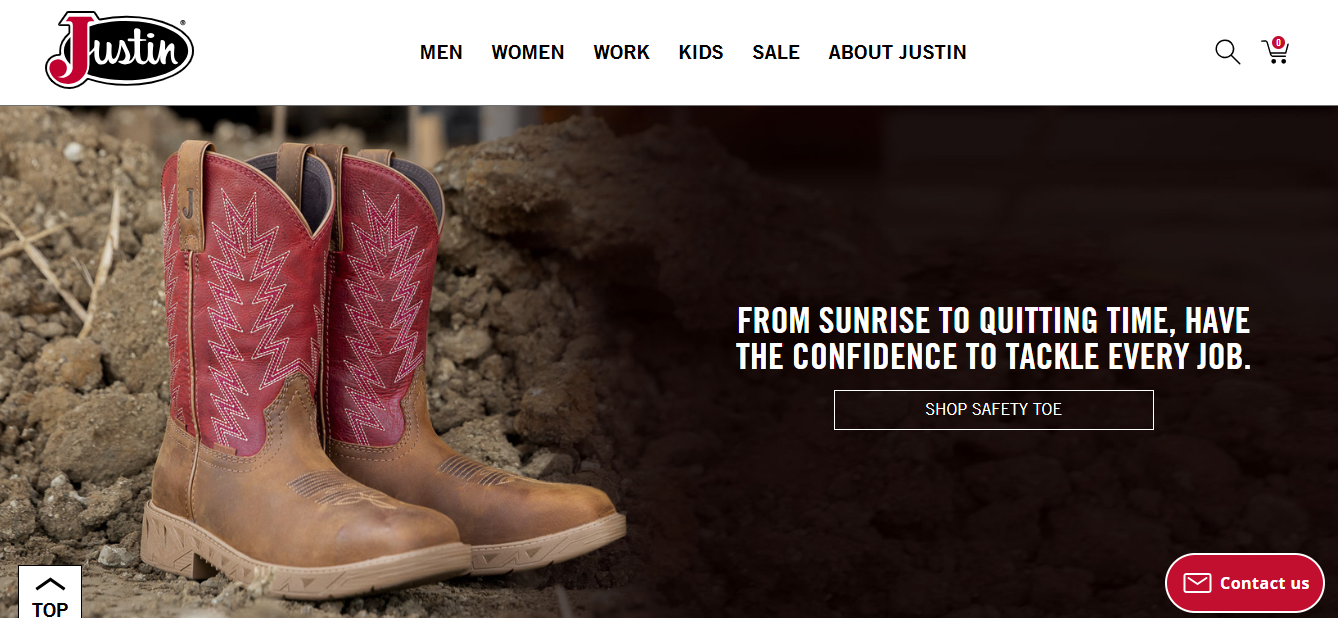
Justin is worth considering if you want a recognizable Western work brand with plenty of waterproof work-boot options. This is the lane I would look at if I wanted something practical for ranching, construction, agriculture, or slick ground without moving into a more fashion-focused boot. Justin’s waterproof work lineup includes pull-on styles, safety-toe options, electrical hazard protection, and slip-resistant designs, so the brand makes sense for someone who wants a work boot first and a cowboy boot second.
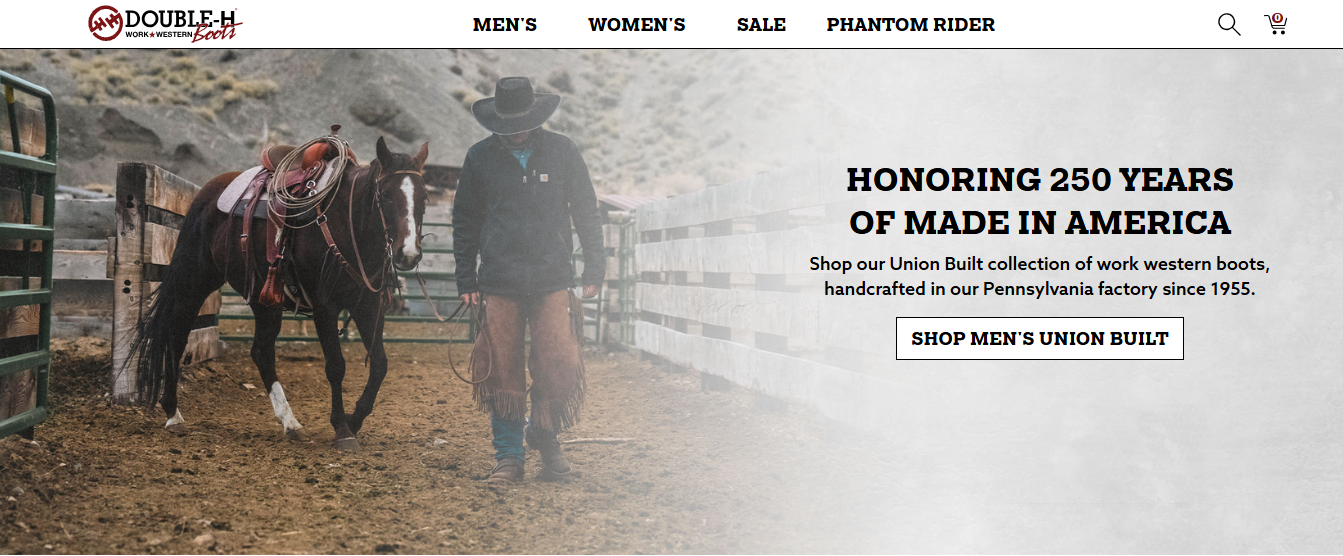
Double-H is the brand I would keep in mind for a tougher, more traditional work-roper feel. Roper-style boots usually sit lower on the leg, use a shorter heel, and feel more walking-friendly than a taller, dressier cowboy boot. That shape makes sense for wet, rough, practical use, especially if you want something that feels closer to a ranch boot than a polished going-out boot. Double-H is not trying to be sleek, and that no-nonsense quality can be a good thing.
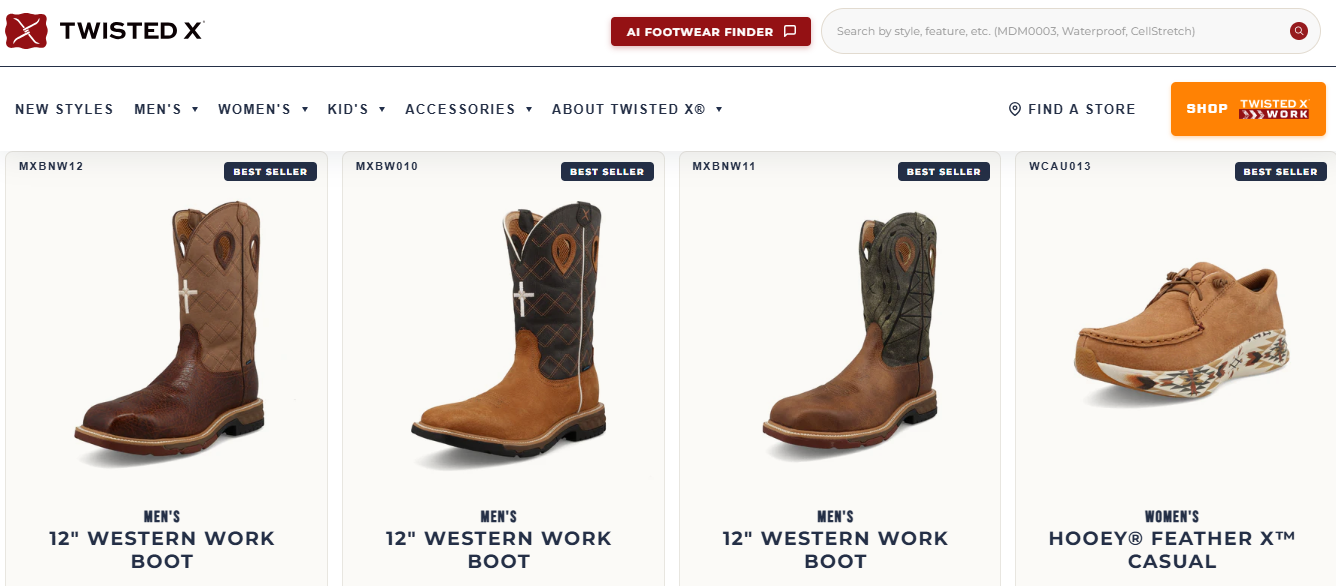
Twisted X belongs in the conversation for buyers who care a lot about comfort underfoot. The brand’s CellStretch comfort technology is built around cells that compress and rebound with each step, which is why Twisted X can make sense for people who are less worried about the cleanest cowboy profile and more worried about tired feet. Some of its waterproof Western work boots have a more modern work-boot look, but if all-day comfort is the thing you are trying to solve, I would not skip them.
Cody James is the budget-conscious Boot Barn option. At the time of writing, Boot Barn had some Cody James waterproof Western work options in roughly the $175–$250 range, depending on the style, sale pricing, and safety features. I would be more cautious about long-term leather quality here than I would with higher-end brands, but Cody James gives budget shoppers a real place to start, especially if they need waterproof pull-on Western work boots for occasional wet work, barn chores, or muddy weekends.
What to Look for Before You Buy

Start with the sole. Leather soles have their place, but I would be careful about calling them wet-weather friendly. On wet concrete, mud, wet gravel, or slick feed-store floors, rubber or hybrid soles are easier to trust. A full rubber outsole usually makes the most sense for work, chores, and rougher ground. A hybrid outsole can be a good middle ground if you want more traction than leather but still want the boot to feel wearable with everyday clothes. If the tread looks almost smooth, I would be cautious about treating that boot like a real wet-weather option.
Then look at the toe. A wide square toe is practical if you want space, especially with thicker socks or long hours standing. A round toe usually looks cleaner and more traditional. Neither is automatically better. I just would not ignore toe shape because it changes how the boot feels, not just how it looks. If you are buying for work, swelling, wider feet, or long days outside, a roomier square toe can be a relief. If you are buying for town, travel, or everyday Western style, a round toe may be easier to wear without the boot feeling too bulky.
The shaft and heel matter too. Taller shafts help with brush, mud, and wet grass, but only if they are comfortable under the jeans you actually wear. An 11- or 12-inch shaft can give you more coverage when the grass is soaked or the ground is messy, but it can also feel like too much boot if you mostly need something for errands, travel, or light weather. A work heel or horseman heel may feel more secure on rough ground. A cleaner angled heel may look better for everyday wear. These are the details people skip online and then notice immediately in real life.
Also check the entry. Pull-on boots can be weird for high arches. Ariat’s U-Turn entry system on some WorkHog styles exists for a reason. If you have ever gotten stuck halfway into a boot and had to do the little stomp-and-pull dance, you know why. A waterproof boot that is hard to get on will not become more pleasant once you add thick socks, tired feet, or cold weather. Look at the pull straps, shaft opening, and any entry features before assuming your usual size will feel the same across brands.
Pay attention to what “waterproof” is attached to. Some boots are built around waterproof leather, waterproof membranes, sealed construction, or work-boot features that are meant for rougher exposure. Others are water-resistant because the material has been treated to handle light moisture better than untreated leather or suede. Both can be useful, but they are not interchangeable. If you are dealing with standing water, mud, slush, or all-day outdoor work, choose a true waterproof boot. If you are dealing with rain, damp sidewalks, wet grass, or unpredictable weather, a water-resistant style may be enough.
It is also worth checking safety and work ratings if the boot is going to be part of your job. Safety toe, electrical hazard protection, oil resistance, slip resistance, and puncture-resistant features are not just nice extras if you are working around equipment, slick floors, trailers, or job sites. They can also change the feel of the boot, so make sure you actually need them before buying the most technical option on the page.
Then there is care. Waterproof leather work boots still need cleaning and conditioning. Water-resistant suede needs brushing and proper drying. No boot should be thrown in a damp corner and expected to look good forever. Mud should be brushed or wiped off once it dries, wet boots should dry away from direct heat, and suede should be treated more gently than full-grain leather. Even the toughest waterproof cowboy boot will last longer if you treat it like gear instead of forgetting about it in the truck bed.
Final Take
A waterproof cowboy boot should match the mess you actually expect it to handle. If that means mud, slush, wet trailers, ranch chores, or long days on rough ground, Ariat is still the easiest brand to recommend. The Hybrid Rancher and WorkHog lines are practical first, with the kind of traction, support, and waterproof construction that make sense when the boot has to work.
Tecovas is a great choice for buyers who want true waterproof work-boot protection without giving up a cleaner Western look. LongHaul Waterproof gives the brand a true waterproof work option, while The Johnny covers the buyer who wants Western shape, suede texture, and enough weather resistance for damp sidewalks, wet grass, and real life after the rain. It is not a barn boot, and it does not need to be.
The other brands matter when your needs get more specific: Justin for a broader work-boot lane, Double-H for a tougher roper feel, Twisted X for comfort, and Cody James for a lower-price entry point.
The real mistake is buying for the wettest day you can imagine instead of the wettest day you will actually wear the boots. Choose for that day, and you are much less likely to end up with a pair that looks right but fails in the mud, or survives the mud but never leaves the closet.