
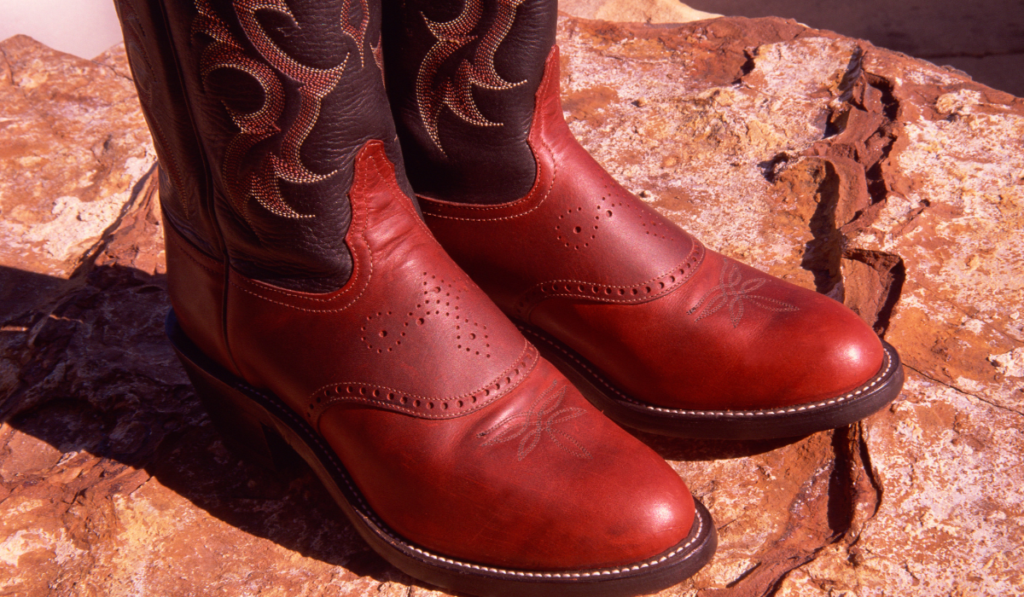

- Honest Guide to Western Boots for Wide Feet - June 3, 2026
- Most Comfortable Cowboy Boots - June 3, 2026
Have you ever spent the second half of a trail ride just mentally overriding the pain? That pinching feeling building on your pinky toes or across your instep, counting down the minutes until you can untack and pull those boots off? I’ve been there more times than I can count.
For a long time, I just accepted the pain as part of the deal. until I mentioned it to some friends and realized this is far more common than I thought.
Here’s the root of the problem: most western boot brands build their lasts (the mold the boot is shaped on) for a medium-width foot, and then simply add a little volume for “wide” sizes without actually adjusting the shape. The width label and the actual fit are two completely different conversations. What wide feet truly need is more volume through the forefoot, a toe box that doesn’t taper too aggressively, and a shaft that won’t pinch the instep. For riders, add a heel seat that stays secure in a stirrup without forcing your foot into a shape it can’t hold for two-plus hours.
If you’re shopping on the women’s side, it gets even harder. Women’s western boots run narrower by design. The assumption being that a slimmer silhouette is what the market wants. So wide-foot women are fighting the last and the style bias at the same time. I spent years thinking I was just shaped wrong. I wasn’t; the boots were.
Below, I’ll provide a breakdown of four of the most popular brands and how they function day in and day out for someone like me who needs a wide fit so you don’t have to go through hours of pain in the wrong boots.
Key Takeaways:
Ariat: Proceed with Caution
Great technology and a solid reputation, but their fashion and riding lines have a clipped toe box that can cause real problems for wide feet, and the break-in period is one of the longest in the category. Stick with the work lines like Round Up if you go this route.
Twisted X: Inconsistent Fit
The price point is appealing and the comfort technology is genuine, but fit varies greatly between styles. A gamble that sometimes pays off and sometimes doesn’t.
Tecovas: Top Pick
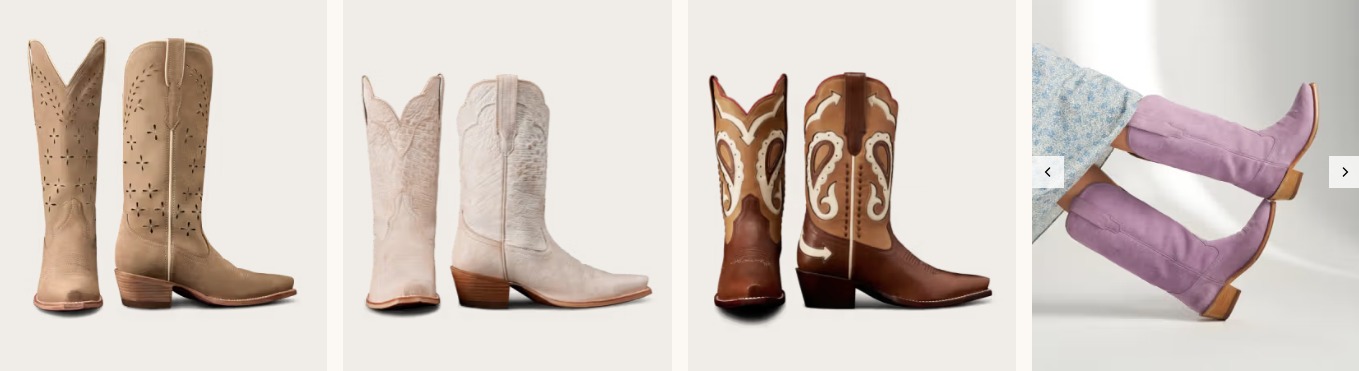
The most generous fit, the softest leather out of the box, and little to no break-in period, plus complimentary in-store stretching if you need it. The investment is higher than the others, but for wide-foot buyers who are tired of boots that let them down, it’s the one that finally gets it right.
Dan Post: Solid Option
A 60-year legacy of prioritizing comfort shows in the fit. Their lasts run more generously through the forefoot than most, and the leather quality at this price point is hard to beat. The break-in is real but manageable, and the value is genuinely strong.
Ariat
Ariat has been around since the 1990s and built their name by being one of the first western boot brands to treat foot comfort as an engineering problem worth solving. Their ATS technology is a footbed system that was designed to provide ergonomic support across uneven terrain. It was and still is one of the better footbed systems in its category. They are widely available in-store and online and their price point isn’t terrible.
But not all Ariat lines are created equal, especially for wide feet.
I rode in Ariats for a long time, largely because I switched between Western and English for a while and they have a solid reputation. The ATS footbed is good technology and they work well for barn work and short days. But their riding and fashion lines have a clipped toe box that just means trouble and pain for those needing a wider fit.
A few weeks back I threw on my Ariats for a two hour trail ride through the forest, pasture and some creeks on my friend’s horse named Mira. The ride was easy and we mainly took a leisurely stroll but man, one hour in and my feet were already paying for it. By the time we got back, my feet were red, swollen and hurting. These boots had been in my closet for ten years and had plenty of ride time to break them in, but no amount of break-in time fixes a cut that’s just wrong for your foot. A fact I forget about every time I wear these boots.
Their fashion and riding lines run very narrow in the toe box. One line worth noting is the Round Up line. The square toe is built with a wider toe box and it’s one of the few Ariat western styles where wide-foot buyers consistently report a comfortable fit. Some versions feature StretchFit elastic panels under the pull tabs which provide a little extra give for wide calves.
If you go with Ariat, I’d recommend starting with the Round Up line, which lands between $160 and $200, making it reasonably affordable. Just be aware that you’ll need a few solid wears before they open up and if you’re between sizes, go up half a size to give your foot more room in the toe box.
Twisted X
Twisted X has been quietly building a loyal following since the early 2000s. The brand was built around the idea that western boots didn’t have to feel like a compromise between style and comfort. They started as a purely western brand focusing on ranchers, rodeo athletes and people on their feet all day, but have since expanded into lifestyle and fashion wear.
What sets them apart is their CellStretch comfort technology that focuses on alleviating pressure points at the heel and ball of the foot and it represents a genuine attempt to bring the comfort of an athletic shoe to a traditional western boot. Twisted X sits in an accessible mid-range price point. You are generally looking at $150-$300 depending on the style, which makes them one of the more budget-friendly options out there. Plus they are widely available in-store, and online, and can be found at BootBarn, Sheplers and many independent retailers across the country.
Twisted X does offer some styles with a wide square toe box, like the Tech X line (which runs at a slightly higher pricepoint), and their CellStretch footbed does genuinely work in reducing pressure across the ball of the foot. Everything sounded so promising and I cannot tell you how much I wanted these to work. However, the fit is so inconsistent from style to style. I had one pair that was fine right away and another that needed quite some time to get out of the instant pain phase.
If you have a standard foot and you can afford to experiment a little, Twisted X is definitely worth exploring, especially because their price point is so low. But for someone who already has trouble finding the right fit or has a wide foot, the gamble is frustrating. If you decide to give them a try, I’d recommend sticking to their Tech X line that has a wider square toe, and buy from somewhere with a good return policy.
Tecovas
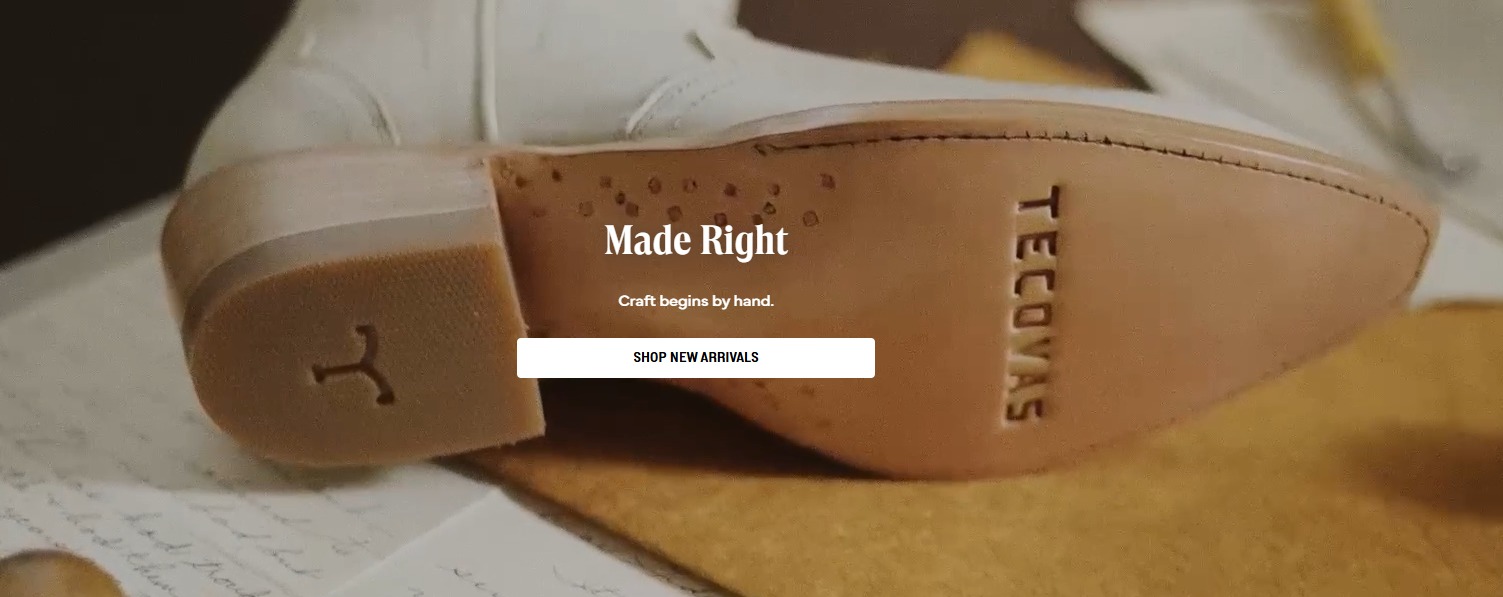
I have to admit, after my debacle with Ariat and Twisted X, I kind of just assumed that’s how every boot fit and I just wouldn’t find a pair that truly fit my foot, was still comfortable hours later, and looked good. But, I kept seeing Tecovas pop up on my feed and they were recommended by other riders at the barn, so I ordered a pair and just told myself I’d return them if they had the same toe box nonsense.
I popped them on before a two-hour pleasure ride and to my surprise, my feet felt fine. Not a “fine for a break-in period” but actually fine. In fact, I got off my horse and the first thought in my head wasn’t “Oh my gosh, I need to get these boots off right now.” Actually, I didn’t think about my feet once. I was able to finish untacking and bathing my horse without a single pinch or ache.
The toe box has real room without feeling like you’re wearing clown shoes, the leather is soft enough from day one that the boot moves with your foot instead of against it, and the heel seat felt secure enough in the stirrup that I wasn’t fidgeting with position to compensate.
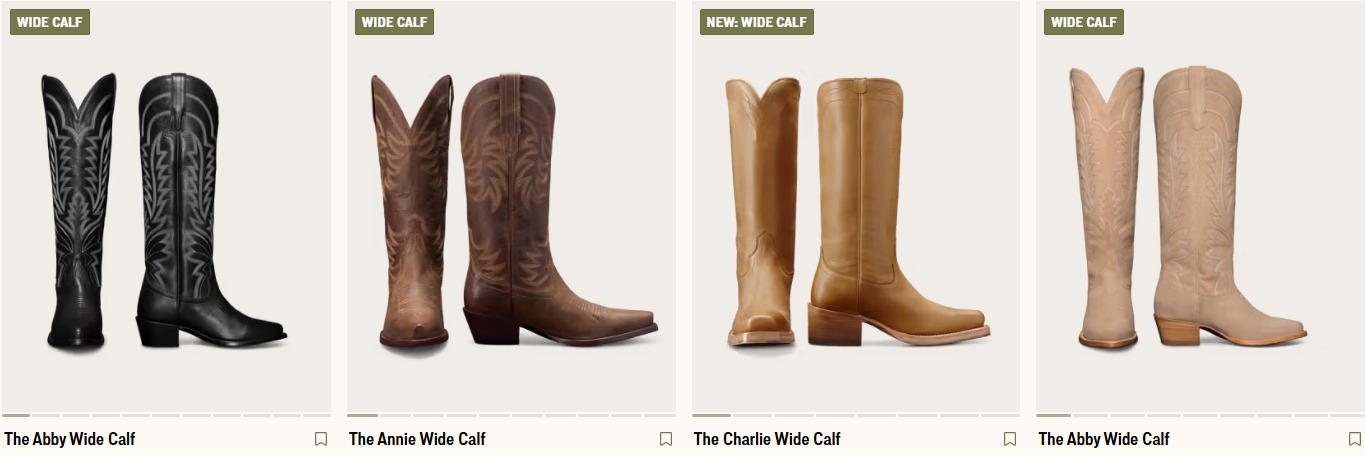
Tecovas sit at a mid-premium price point with most styles running between $295-$400 so they are definitely an investment. But I can say with confidence that they are the best fitting western boots I have worn for wide feet at any price point. Plus, if your boots still feel snug in the forefoot or calf, they offer complimentary stretching. For my wide-foot and wide-calf women, this is a game-changer because it means we don’t have to write off a pair of boots that’s otherwise perfect.
They sell directly online and have over 60 stores nationwide plus hundreds of independent retail partners. They offer free returns and exchanges within 30 days, but if you can go in-store, I’d highly recommend it. They have a unique buying experience and their staff is so helpful.
After years of buying boots that wound up wrecking my feet, I’d rather pay a little more once for something that actually fits and will last me for years.
Dan Post
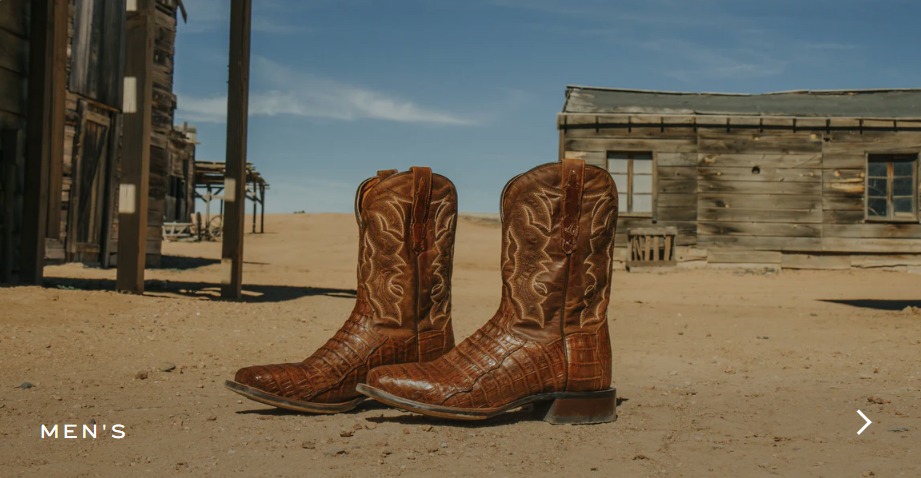
If a pair of Tecovas wasn’t in the budget right now, I would send someone to Dan Post. This brand is genuinely underrated. Dan Post has been around since 1965 and they have spent 60 years solely focused on making a comfortable western boot. They were actually among the first boot brands to design a boot intended to be comfortable from the start.
Their lasts are far more generous through the forefoot than Ariat’s riding lines, and their quality at that price point is pretty hard to argue with. WIth boots generally running between $150-$500, they sit at a comfortable mid-range price.
There’s definitely still a break-in period that I would take seriously and not skip before going on a long ride, but it’s shorter than Ariat and Twisted X, and far less punishing. They have styles that look good and offer comfort for those with wider feet or a higher instep. In fact, they offer some styles in a EE width which is considerably less common in most brands. For a wide-foot buyer who wants more variety than Chisos can offer and isn’t ready to stretch to Tecovas pricing just yet, Dan Post is a great option.
What to Know Before You Buy:
So there you have it. A side-by-side comparison from someone who has spent hours on the farm in the wrong boots and has the blisters to prove it.
A few things I genuinely wish someone had told me before I spent money on boots that just didn’t work:
Always measure your foot in the afternoon. I know that might sound overly simple but I cannot stress how important this is. A boot that fits at 9am will feel very different by 4pm. Your feet swell throughout the day, especially 6 hours into farm chores, and there’s nothing worse than starting the morning in a boot you thought was great and being miserable by 1pm.
If you are between sizes, I’d recommend going up in length before you reach for a wider width. A lot of the foot pain I have experienced came from the boot itself being too short, forcing my foot into the taper, causing that painful pinching. And if your pinky toe is already pressing that upper wall just standing still in a brand new boot, put it back on the shelf. That boot is too narrow, no matter what the tag says.
The right pair of boots should feel like a non-event, like a slipper you’ve owned for years. You shouldn’t be thinking about your feet on the trail, in the arena or at the end of a long day at the barn. That’s the whole point. It took me longer than I’d like to admit to find that, but now that I have, I am not going back.