

- Why Cowboy Boots Feel So Intimidating to Buy
- Why Beautiful Boots End Up in the Back of the Closet
- 1. Tecovas: Beginner-Friendly Break-In
- 2. Ariat: Comfort-Driven and Practical
- 3. Heritage Boot: Traditional Craftsmanship With More Structure
- Remember: Fit First, Everything Else Second
- Start with Toe Shape
- Don’t Forget Heel Height
- The Price is Right (Without Compromising Quality)
- Why Tecovas Is the Steady Recommendation
- Your First Pair Should Make You Want to Commit (Not Be On Again, Off Again)
Let’s be honest, cowboy boots have a little bit of an intimidation problem. You want a pair, you know you want a pair, and then you start researching. But like, what is a snip toe? Roper heel? Full quill ostrich? It is a lot for someone who just wants a cute or durable pair of boots that actually works with their job or wardrobe.
Suddenly, you’re wondering if you even deserve to own cowboy boots without a ranch to go with them. You do, by the way (everyone does), so buying your first pair doesn’t have to be complicated.
Whether you are shopping for something to wear with jeans on the weekends or looking for a boot that can actually pull double duty from day to night, we are going to break it all the way down so you can shop with confidence and actually end up with a pair you love.
Why Cowboy Boots Feel So Intimidating to Buy
Okay, so here’s the thing. A lot of people want cowboy boots way before they actually buy them. But the hold-up isn’t usually about the look (everyone loves the look). It’s actually more about the uncertainty of it all.
To be fair, cowboy boots feel kind of “gatekeeped.” A lot of people swear you can only get “true cowboy boots” if you buy them in Nashville or in Texas – or if your great-grandfather left you a pair with prairie dust still on them. As a born and raised New Yorker, I can tell you firsthand that none of this comes naturally if it wasn’t part of your world growing up.
It’s no wonder that people worry about choosing the wrong shape, having painful blisters at first, picking a heel that isn’t comfortable, spending money on something they might not love, and, of course, looking like they’re trying too hard – especially those of us who live in the city or far from what we personally consider “out west.”
Cowboy boots carry a lot of tradition and particular language that can feel unfamiliar, and once you start researching, it doesn’t get much easier. Suddenly, you’re drowning in phrases like shaft heights, exotic skins, ropers, cutters, riding heels, and an ocean of sizing advice that completely contradicts itself depending on who you ask.
The good news is that modern Western brands have become much more approachable over the last decade. You no longer need to buy a super traditional ranch boot or fully commit to a head-to-toe Western aesthetic to wear cowboy boots comfortably and, most importantly, confidently.
Why Beautiful Boots End Up in the Back of the Closet

Most beginners I know focus on the appearance of their ideal cowboy boot first.
I get it. We see boots online in ads, on celebrities in magazines, or in storefront displays, and that’s what draws us in – the look of the boot. The fresh leather, the etchings, sometimes even the tassels. But then we buy them, wear them once, our feet get wrecked, and finally our (expensive) boots go into the closet, never to be seen again.
It happens to everyone, guys and girls alike, and it’s such a waste. Especially right now, when Western style is genuinely having a moment across the board. In my opinion, when Gabriela Hearst sent runway models down the catwalk in cowboy/cowgirl aesthetics in the summer of 2024, things have only snowballed from there.
Cowboy boots are also supposed to be snug on the foot, and the snug arch is important for all-day wear support. When widths are limited and therefore ill-fitting in that area, the arch support disappears and can lead to serious arch and leg fatigue, especially for those who work on their feet all day.
So, whether you’re drawn to boots because you want something that holds up on a job site or because you want something that works with jeans on the weekend, there’s never been a better time to invest in a solid pair.
What to Keep An Eye On
For first-time buyers, there are five things worth thinking through. These are what actually determine whether your boots become part of your regular rotation or get donated six months from now:
- Price and long-term value: Are you buying something that will last, or something that just looks good in the photo?
- Comfort right out of the box: How much suffering are you actually signing up for on day one?
- Toe shape: This affects both how the boot fits and how it looks with everything in your closet.
- Heel height: Different heights work for different lifestyles/jobs.
- Break-in period: Some boots need weeks to feel right, others are ready to go almost immediately.
One of the biggest myths around cowboy boots is that discomfort automatically means quality. That’s not necessarily true anymore. High-quality leather still molds to your feet over time, but modern construction and softer materials can dramatically reduce the break-in process.
1. Tecovas: Beginner-Friendly Break-In
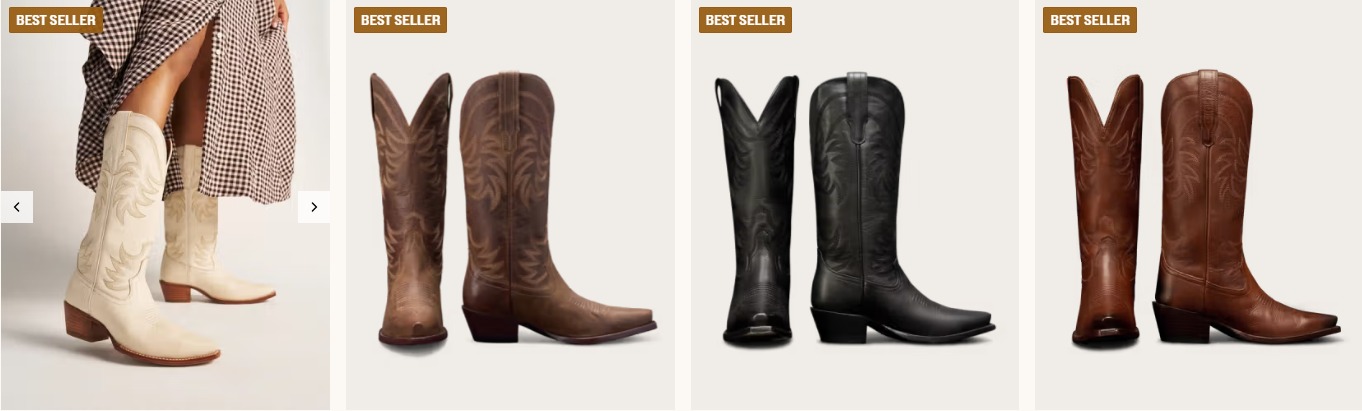
Tecovas is the youngest of the three brands listed here, founded in 2015. They’ve also done some of the most work bringing cowboy boots into the mainstream, with country music and fashion icons like Ella Langley helping to spotlight the brand. That right there lets us know the brand is a popular choice for the fashion-forward buyer and probably the first choice for city-dwelling young people who like to follow current fashion trends.
Tecovas is headquartered and designed in Texas, with leathers sourced from both North and Central America and the boots themselves made in Leon, Mexico. The goal behind that process is simple: create boots you can wear all day without discomfort, and trust to last for years to come.
Tecovas is probably one of the easiest starting points for someone who’s nervous about comfort, and that’s by design. The brand makes intentional choices in its materials and construction to eliminate the stiff, blistering break-in period that’s so common with traditional cowboy boots.
Many first-time buyers specifically mention:
- Softer leather feel
- Easier walking right away
- Less stiffness through the shaft
- A shorter adjustment period overall
The boots naturally shape to your feet over time, but they generally avoid the “suffer through it for weeks” reputation older cowboy boots sometimes had. That makes the brand particularly approachable for people entering the category casually rather than professionally.
That said, getting the right fit matters just as much as the leather itself. Tecovas offers multiple width options to help you dial in the fit, and if you need a little extra room once you’ve broken them in, they offer free boot stretching to fine-tune the comfort and width even further. It’s a great way to make sure your boots fit exactly right, especially if you’re planning to wear them for long days on your feet.
Some Tecovas customers and reviewers mention that the leather is thinner than other boots, but this is essentially the compromise for the serious level of comfort and already broken-in feel that they’re known for right out of the box.
2. Ariat: Comfort-Driven and Practical
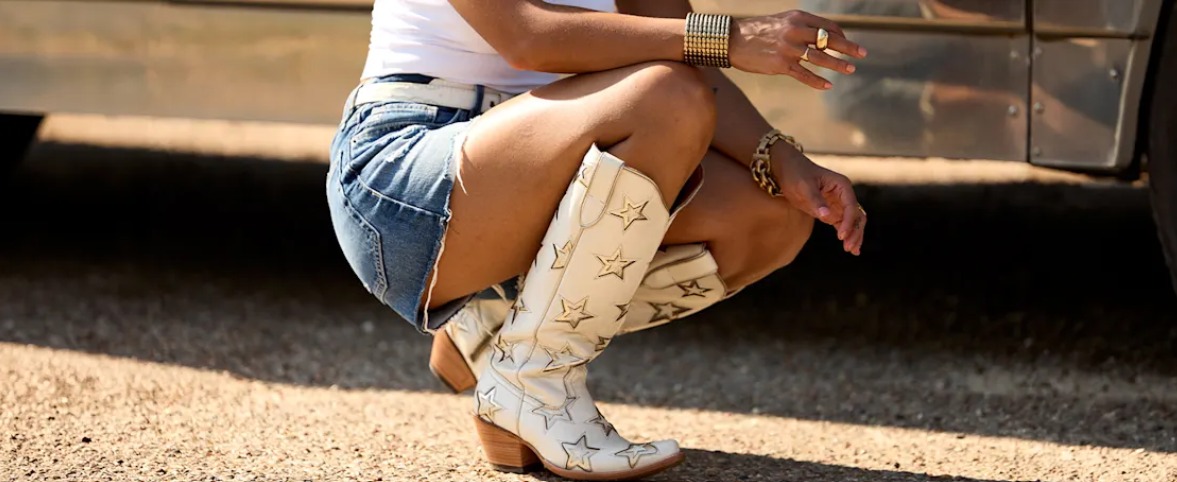
Ariat is a cowboy boot brand with an interesting origin story. In the 1990’s, two co-workers, Beth Cross and Pam Parker, developed the athleticwear, technology-infused, cowboy boot project for Reebok, and after being denied, they decided to bring the project to life and start their own brand, Ariat.
The brand approaches comfort from a different angle than Tecovas. They lean more heavily into performance technology, cushioning systems, and practical wearability. Many Ariat boots feel immediately comfortable because they borrow construction ideas from athletic and workers’ footwear.
For buyers prioritizing all-day comfort, especially for frequent standing, lifting, or walking, Ariat can feel very approachable. The trade-off is that some traditional Western boot enthusiasts feel Ariat boots are more functional and less heritage-focused aesthetically than those from more traditionally handcrafted brands. They give off a bit less of a “Western roots” traditional vibe.
Ariat boots are designed in the USA but made in various countries depending on the model. Their boots are made in Mexico, Vietnam, China, and Italy. Some Ariat boot models are resoleable and some (that feature a cemented sole construction) cannot be replaced once worn down. This makes it difficult as a consumer to track down which boot model is best for you if you are a consumer that personally values the specific production region or ability to re-sole the boot.
Still, for pure beginner comfort, Ariat remains one of the easiest brands to wear immediately. Although their shock-absorbing and cushioned insoles are a hit or miss for customers, I do think they bring a unique and totally niche perspective to the cowboy boot market that many people with foot or leg complaints will appreciate.
Think more ‘western construction worker and farm machine operator’ than ‘western horse wrangler.’
3. Heritage Boot: Traditional Craftsmanship With More Structure
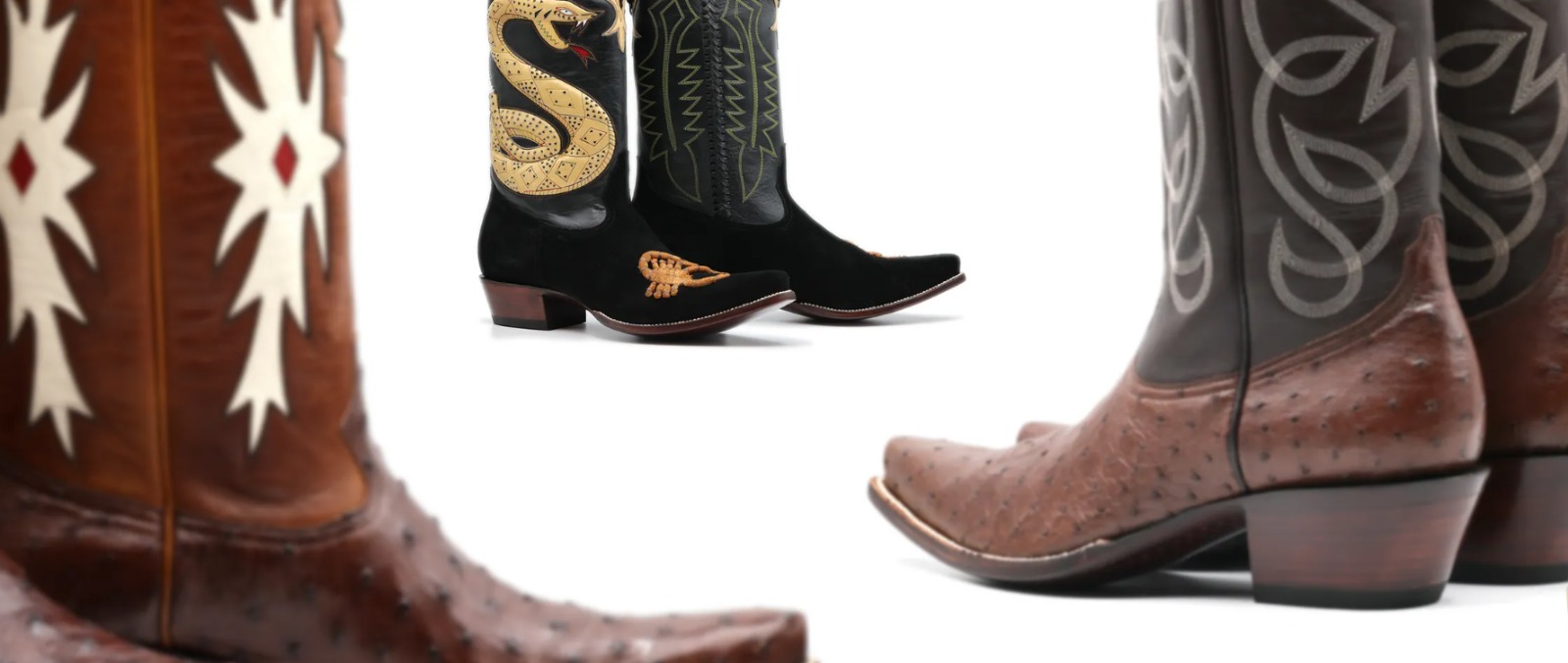
Heritage Boot sits in a more traditional, craftsmanship-focused category. It leans into that ‘rodeo’ serious cowboy vibe. The brand is known for beautiful detailing, premium materials, and highly traditional Western styling. But with that often comes a more structured feel and a longer adjustment period than softer, beginner-friendly boots.
That doesn’t make them worse boots. In fact, many experienced boot collectors specifically prefer that structure and traditional construction. But for a first-time buyer, Heritage Boot can feel slightly more premium simply because the boots require a little more confidence and patience up front.
Heritage Boot models are artisan-made (in Mexico) with hand-stretched Grade A leather. They even make boots out of Stingray, which feels very unique. The traditional craftsmanship has its perks, one of them being that all Heritage Boot models are completely resoleable (not all Ariats are).
Heritage Boot wearers and customers of the brand also mention that because of this quality craftsmanship, the boots will last at least a decade, if not two, which is significantly longer than most other brands that are mass-producing boots.
Remember: Fit First, Everything Else Second
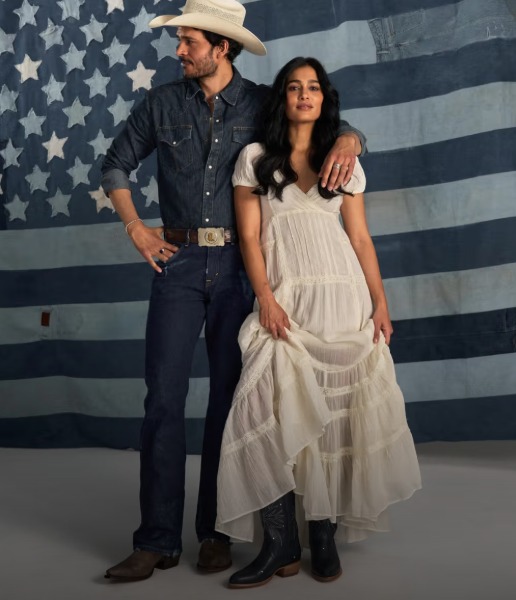
Probably the single biggest factor to keep in mind for first-time buyers is comfort.
Traditional cowboy boots historically required substantial break-in. Stiff leather, rigid soles, and structured shafts were often considered normal parts of the experience. Ouch.
Many longtime boot enthusiasts still expect this, but newer buyers usually don’t. Most people buying their first pair today want something that feels comfortable quickly, especially if they plan to wear the boots casually for fashion rather than for ranch work or riding.
If your first experience with cowboy boots is painful, stiff, or difficult to style, you’re far less likely to keep wearing them. We all have that one memory of a pair of boots or shoes that were so ill-fitting or stiff that the day/event was ruined, and we had painful blisters for weeks after.
So, to avoid this, let’s talk about how to get the right fit!
Start with Toe Shape
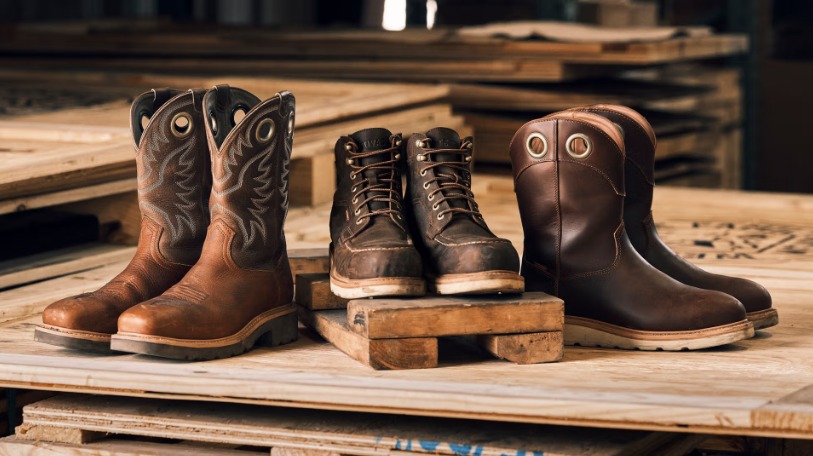
Many beginners assume that all cowboy boots look roughly the same. Toe shape changes a boot’s personality more than almost anything else, and that’s usually where first-time buyers become overwhelmed.
The good news is that you really only need to understand a few categories.
Round Toe
For most beginners, round-toe boots feel the easiest to wear. They look classic without feeling overly Western, and they pair naturally with everyday clothing like straight jeans, relaxed denim, workwear, and casual jackets.
Round toes also tend to feel more forgiving, comfort-wise, because they allow more room at the front of the foot. This is usually the least intimidating option for first-time buyers.
Square Toe
Square-toe boots became extremely popular because they feel slightly more casual and roomier compared to the next option. They’re common in workwear and everyday Western boots, especially from brands like Ariat.
Some first-time buyers prefer square toes because they feel less traditional “cowboy.” Others feel they look slightly bulkier depending on the outfit. It mostly comes down to personal style preference.
Snip Toe and Narrow Toes
Narrower toe shapes tend to create a more dramatic Western silhouette. They look sharper, have more ‘Western’ emphasis, and are often slightly more formal, but they can also feel intimidating for beginners because the shape immediately reads more traditionally Western.
I’d say that they’re like pointed-toe shoes in boot form.
For most new buyers, round or soft square toe shapes tend to feel easier to style initially. Unless you like to make a statement and take fashion risks, then you do your thing!
Don’t Forget Heel Height
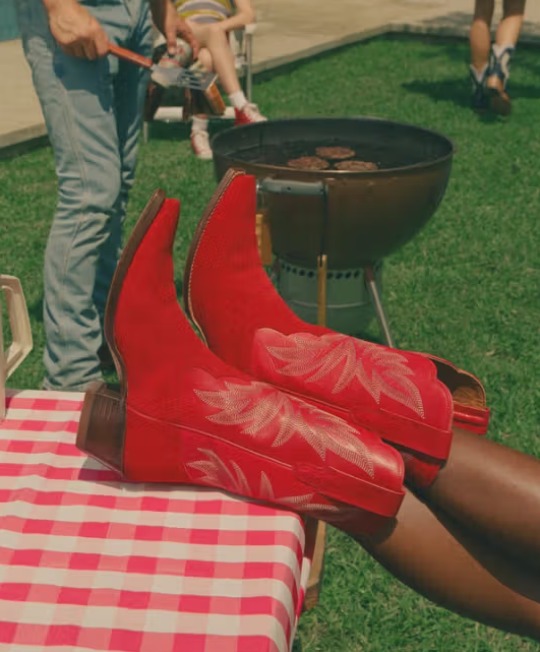
Another common fear for first-time buyers is whether the boots are hard to walk in. The answer is usually no.
Most standard Western heels are designed to feel surprisingly stable once you start wearing them. That said, heel height still affects comfort and versatility. Luckily, cowboy boots have block heels, making the height pretty much undetectable under your feet.
You might only notice the heels from the classic (and satisfying) tapping sound they make when walking on hard floors.
Lower Western heels, or “ropers-style” heels, tend to feel most natural for people transitioning from sneakers, slides, or standard boots. They’re stable, easy to walk in, and versatile for daily wear. More aggressive cowboy heels create a distinctly Western silhouette. They can look incredible, but they also feel more specialized.
You have to know what you’re getting into with taller heels. They can be harder on your knees, trickier to balance in, and make more of a statement than maybe you are comfortable with. For someone buying their first pair mainly for casual wear, lower or moderate heels usually make the transition easier.
The Price is Right (Without Compromising Quality)
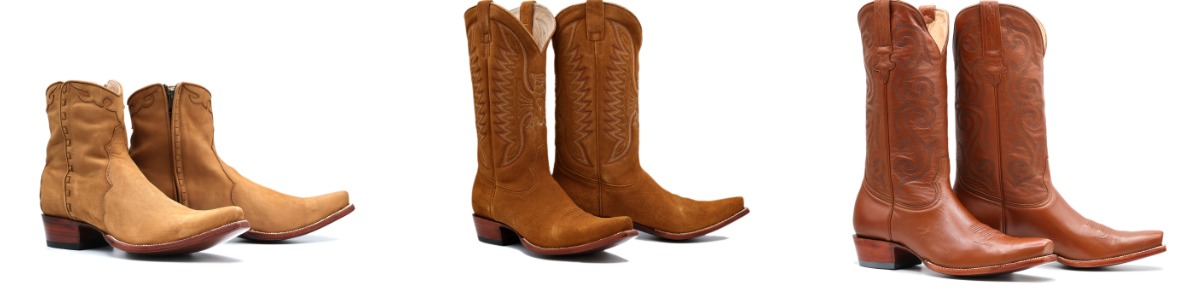
A lot of beginners get stuck on price. Cowboy boots can range from under $100 to several thousand dollars, depending on materials and construction. For a first pair, most people do not need ultra-premium exotic boots made from lizard, ostrich, or alligator. The classic cowhide or calfskin is just fine. What really matters is comfort, consistency, versatility, and longevity.
That’s one reason Tecovas occupies such a strong middle position in the market. The brand sits above mass-market Western footwear while remaining significantly more accessible than luxury heritage makers like Lucchese. This works great for a first-time buyer who usually wants something that feels genuinely high-quality without immediately jumping into extremely high luxury pricing.
Why Tecovas Is the Steady Recommendation
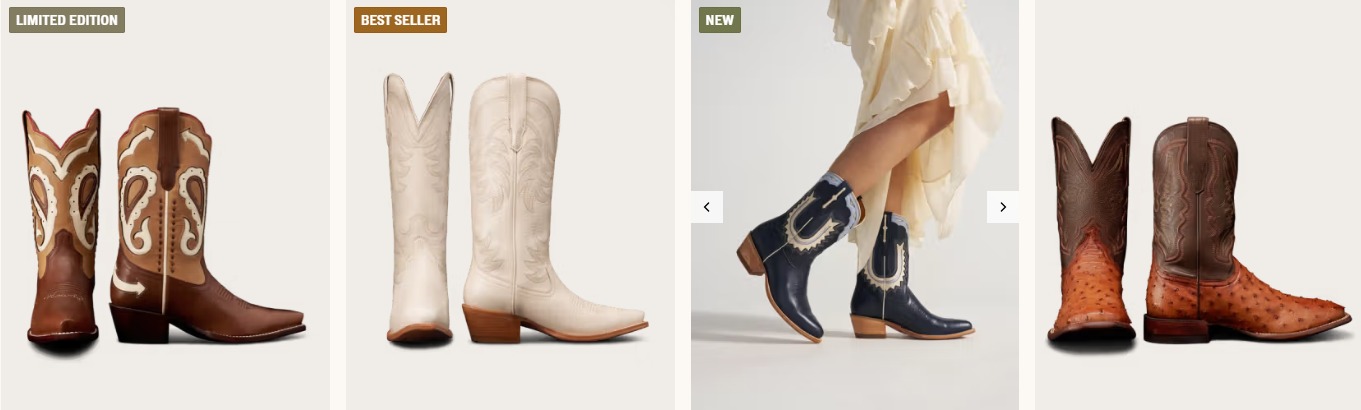
There are plenty of good cowboy boot brands, but not all of them feel welcoming to beginners. Tecovas has built much of its appeal around making handcrafted Western boots feel more approachable for everyday wear. The styling stays classic without becoming overly theatrical, which makes the boots easier to integrate into modern wardrobes across a wide range of personal styles.
What really sets the brand apart is how simplified the buying experience feels compared to many traditional Western boot makers. Cowboy boots have historically been intimidating to shop for if you don’t already understand the category, but Tecovas leans into cleaner product presentation, customer education, approachable styling, and services like customized stretching to make the process feel easier for first-time buyers.
The overall experience feels less like gatekeeping Western wear and more like an open invitation into it – almost like the table in the cafeteria that says, “You can come sit with us.”
Your First Pair Should Make You Want to Commit (Not Be On Again, Off Again)
A lot of people approach cowboy boots thinking they need to “earn” them somehow, which is false. The best first pair is going to be the one that makes you feel comfortable enough to actually keep wearing them.
Don’t forget the main points for beginners to keep in mind while shopping: price and long-term value, comfort out of the box, toe shape, heel height, and break-in period. This checklist should lead you to your first pair of cowboy boots that hopefully don’t want to take off.