

- Best Cowboy Style Leather Belt: What to Look for Beyond the Western Label - September 24, 2026
- Is a Handmade Belt Worth the Price? What You’re Really Paying For - September 15, 2026
- Best Square Toe Cowboy Boots: Which Brand Should You Buy First? - July 2, 2026
At eight years old, I was already mucking stalls, putting up hay, and learning fast what good boots could handle. Three decades later. I’ve made nearly every mistake when it comes to riding boots: cheap boots that blew out in two months, expensive boots with break-ins so brutal I dreaded pulling them on. I’ve worked polo barns, wrangled yearlings, chased stubborn horses through Michigan spring muck, and stood ringside in July heat waiting for a class to be called.
So yes, I have opinions. They come from real wear, real work, and plenty of blisters. Here’s what I’ve found, and what I’d actually buy depending on what you need.
At a glance
- Best heritage investment: Lucchese
- Best for performance and ranch work: Ariat
- Best for everyday Western style without the break-in period: Tecovas
- Best for traditional cowboy credibility on a mid-range budget: Tony Lama
- Best value entry point: Justin Boots
Lucchese: The Gold Standard (if your budget allows)
 Lucchese has been making boots in El Paso since 1883, and once you handle a pair, you understand why the name carries so much prestige.
My first pair of Luccheses came later in life, after I’d already spent years burning through cheaper boots and understood what I was looking at when I finally picked them up. The construction is noticeably different from the start. Seams lie flatter. The insole has a density to it that takes some miles to loosen up, but when it does, it molds to your foot in a way that budget boots simply can’t replicate. I’ve had a pair of their 1883 ropers for going on seven years, resoled once, and they still look good.
The welt construction is the key detail here. It’s what lets you have a cobbler resole them when the leather outsole wears through, which means these aren’t a purchase so much as a relationship. People wear the same pair of Luccheses for 20 years. I’ll be honest: the break-in curve on some models is real and it is NOT pleasant. I learned early on, mostly through horse show seasons spent on my feet from dawn to dusk, that a bad break-in on an expensive boot is its own special misery. If you’re going to invest at this level, get fitted in person. Lucchese runs true to dress shoe size, often a half to full size down from athletic shoes, and getting that wrong when the leather is this dense makes the first few months genuinely rough.
When they fit right and they’ve broken in, though, they’re an amazing boot. Nothing else ages like them.
The Classic line, where the real craftsmanship lives, starts at $600 and well beyond for exotic skins. Caiman, alligator belly, full quill ostrich: these aren’t novelty materials at Lucchese, they’re the core of what the brand does.
Best for: Serious boot collectors, daily wearers committed to the long game and ok with the break-in period, anyone buying a special occasion pair in exotic leathers.
Ariat: Performance First, Western Second
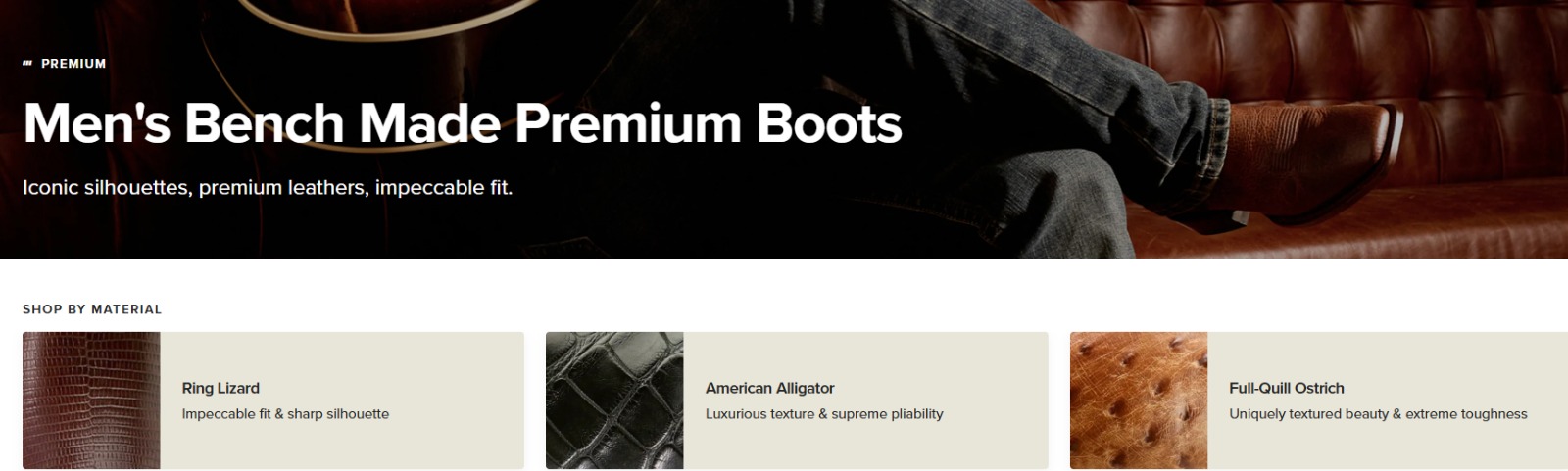 Ariat was founded in the early ’90s in California, which still gets raised eyebrows in traditional Western circles, and it was built around one idea: that riding and ranch work didn’t have to destroy your feet. They brought in cushioning and support technology borrowed from athletic footwear, ATS footbeds, moisture-wicking linings, Duratread rubber outsoles with real grip on wet concrete and muddy barn floors.
Sure, footing matters when you’re working around half-ton animals that can spook first and think later. A leather outsole may be beautiful and traditional, but on a wet wash rack or a slick barn aisle in winter, it can be downright treacherous. I learned that the hard way more than once, and had the bruises to prove it. That is where Ariat made sense for me. During my years working around polo barns, a 12-hour day could mean getting on and off 30-plus horses, mucking stalls between sets, and walking half a mile out into the fields to catch horses. There was no time to change shoes between barn work and riding. Your boots had to do everything, and most importantly, they had to grip.
The Duratread outsole also proved its worth in Michigan springs, which are their own category of challenge if you’ve never owned horses through a thaw. The ground turns into something between mud and quicksand, and if you’ve ever tried to catch a stubborn horse that has decided it does not want to come in that day, you know exactly what it means to chase that animal across a soggy pasture while your boots are fighting the muck with every step. I’ve had cheap boots get sucked clean off my feet out there… but Ariat stayed on.
The WorkHog and Heritage Roper were my go-to styles for hard use, and seemed to be the favorites of the other grooms. Reviewers who’ve worn them through similarly demanding work echo the same experience: the boots hold shape, feet stay supported through 10-plus hour days, and the leather cleans up better than you’d expect. One reviewer kept her paddock boots going for fifteen years through consistent barn work.
The tradeoff is character, unfortunately. Ariat boots feel like performance footwear, because that’s what they are. The construction is mechanical, the sole units thick and synthetic. The leather doesn’t develop a patina the way cowhide does on a handcrafted boot. It stays looking roughly the same instead of aging into something with more personality. For some people that’s a feature, but for others who want a boot that tells a story over years of wear (myself included), it’s a real limitation.
For dress or lifestyle wear, Ariat is definitely not the answer. But for the work it was designed for, it’s about as honest a product as you’ll find.
Best for: Ranch hands, equestrians, polo grooms, anyone who needs all-day foot support for hard physical work.
Tony Lama: Respect the Legacy, Know What You’re Buying
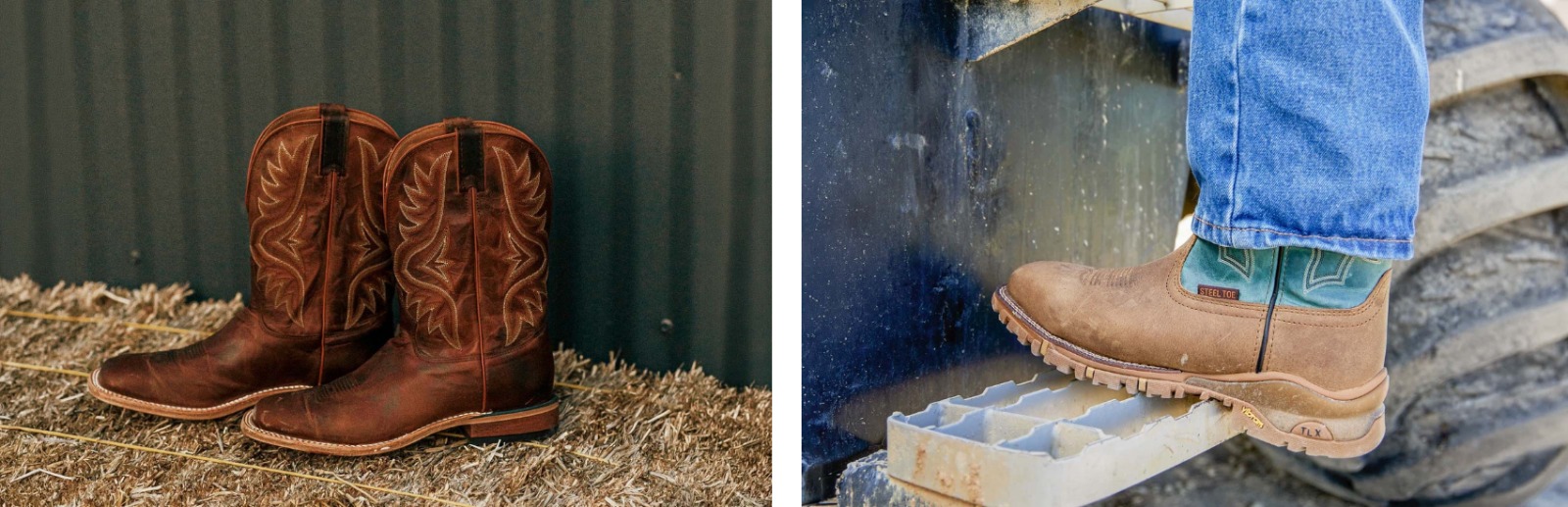 Tony Lama started in El Paso in 1911, but for me, the brand was not something I first learned about from a store display or an ad. I grew up seeing Tony Lamas everywhere around horses, in the show pen, in the barn aisle, and on the feet of farriers, trainers, and older horsemen who had been doing the work their whole lives. Credibility like that is hard to fake. People wore them because they held up, looked right, and could handle real barn life. Over time, Tony Lama became one of those brands that felt familiar because it had already earned trust across generations.
The honest complication is that Tony Lama isn’t the family-owned craftsman operation it once was. It’s been absorbed into the Justin Brands portfolio under Berkshire Hathaway, and the product line has expanded enormously. Longtime wearers have noticed. People who wore the brand through the ’70s and ’80s will often tell you the same thing: when the Lama family sold, the lasts changed, and some of what made those boots distinctive went with them.
The line is inconsistent now in a way it wasn’t before. On one end, there are wearers who’ve bought the same model for thirty years without complaint. On the other end, people picking up newer lower-tier pairs have found hollow heels held together with glue instead of proper construction, nothing you’d want to put a hard day’s work into.
The 1883 collection is where the real quality lives today, and the name still carries weight in the right rooms. Show up to a working ranch in Tony Lamas and nobody questions your boots. In communities where Western wear is a daily lived reality rather than a lifestyle choice, that kind of standing does take generations to build.
Best for: Buyers who know how to shop the line, experienced wearers who want traditional credibility, anyone whose community cares about heritage names.
Tecovas: The Best Choice for Most People Reading This
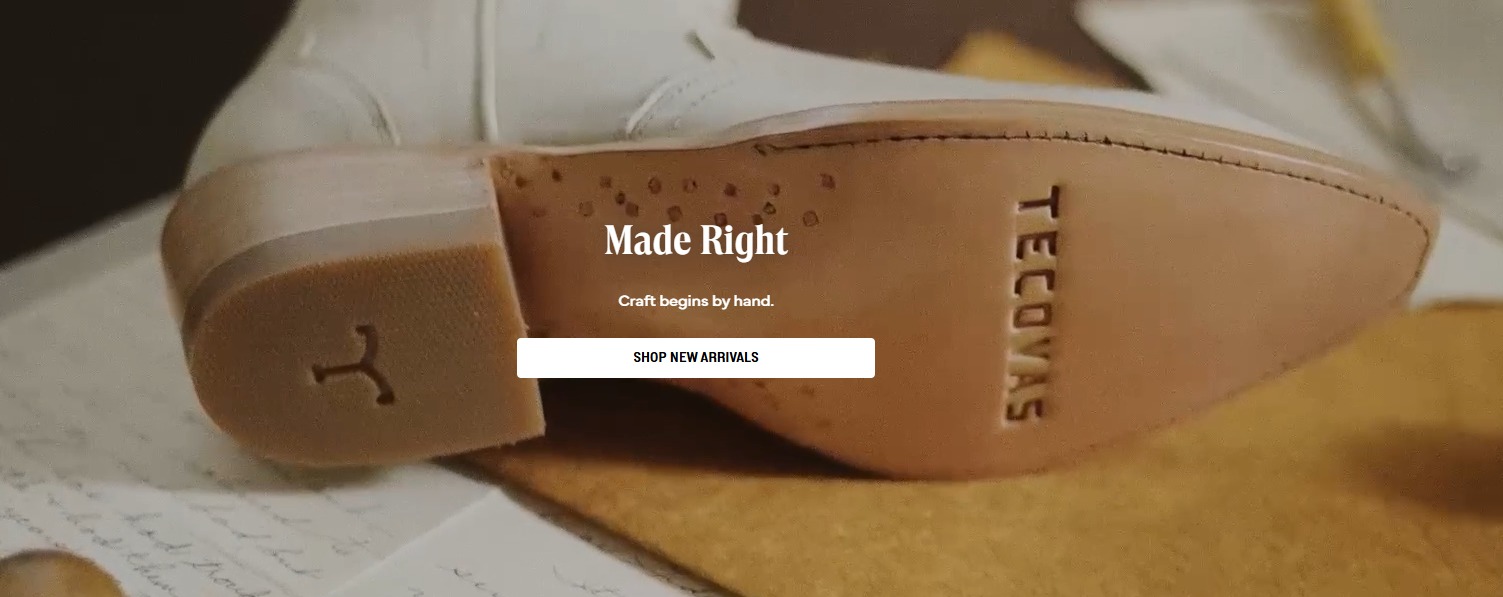 Here’s where I land after all of it. If you’re not a full-time ranch hand or farrier, and you want a handmade Western boot at a price that doesn’t require selling something to justify it, Tecovas is the honest answer right now.
Tecovas launched out of Austin in 2015 as a direct-to-consumer boot brand, and that model helped them enter the market with a more accessible price point than many traditional premium Western boot brands. Today, a lot of their core heritage styles sit roughly in the $300 to $400 range, while exotic skins and limited styles climb much higher.
The price is only part of the story, though. What matters is what ends up on your foot, and Tecovas delivers more craft than people sometimes expect from a modern DTC brand. Their heritage cowboy boots are designed in Austin and handcrafted in León, Mexico, by generational bootmakers using more than 200 traditional steps. León has a long history in leatherwork and boot making, so this is not a brand trying to fake Western credibility through styling alone. The boots are being made in a place where the craft is already part of the culture.
For me, that is the real differentiator in the modern DTC Western space. Other brands in that category often lead with convenience, trend, or price. Tecovas leads with a cleaner mix of accessibility and actual bootmaking, and that is why the brand has earned a place in the conversation.
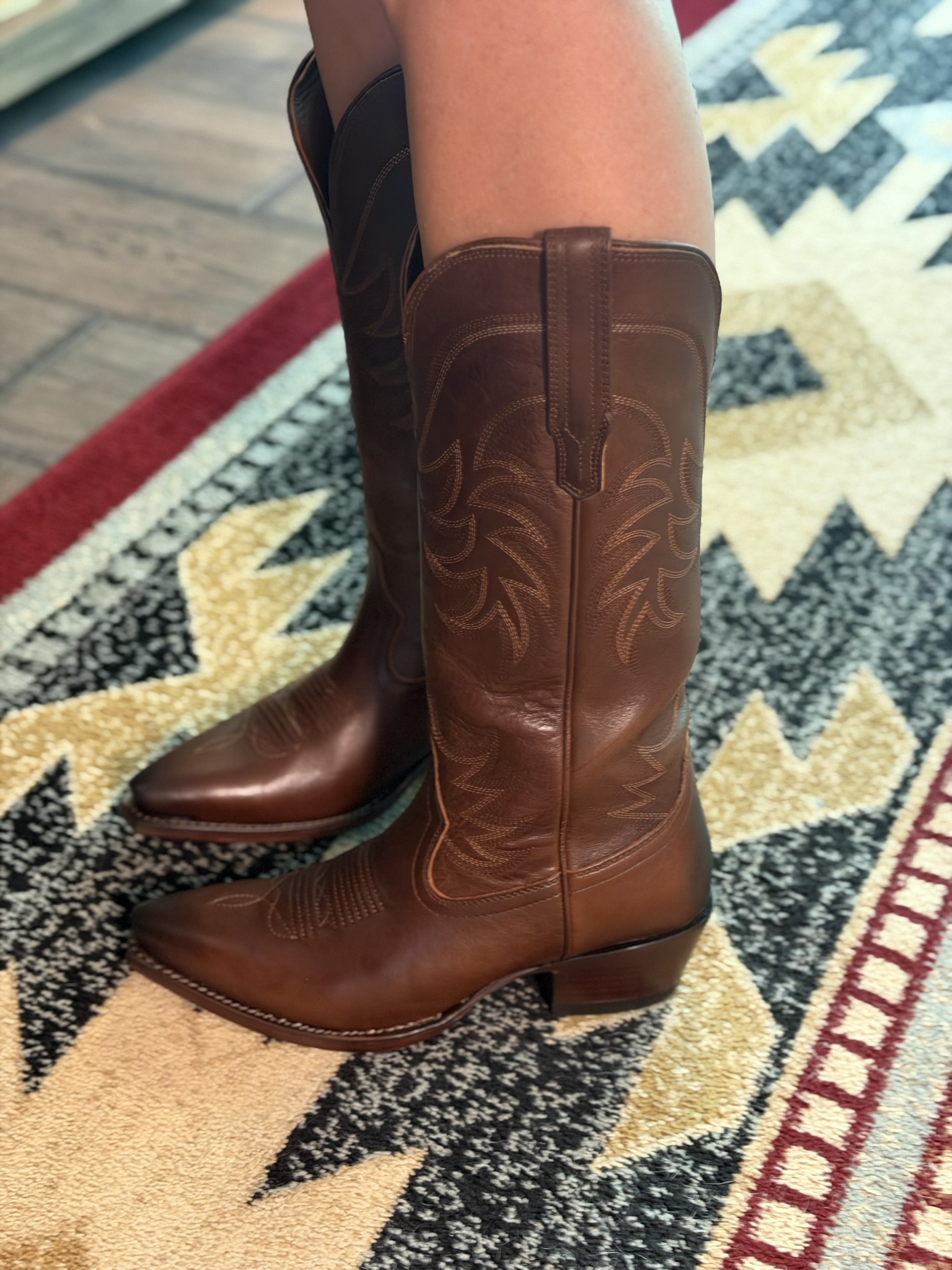
The Annie in Sequoia Cowhide ($375)
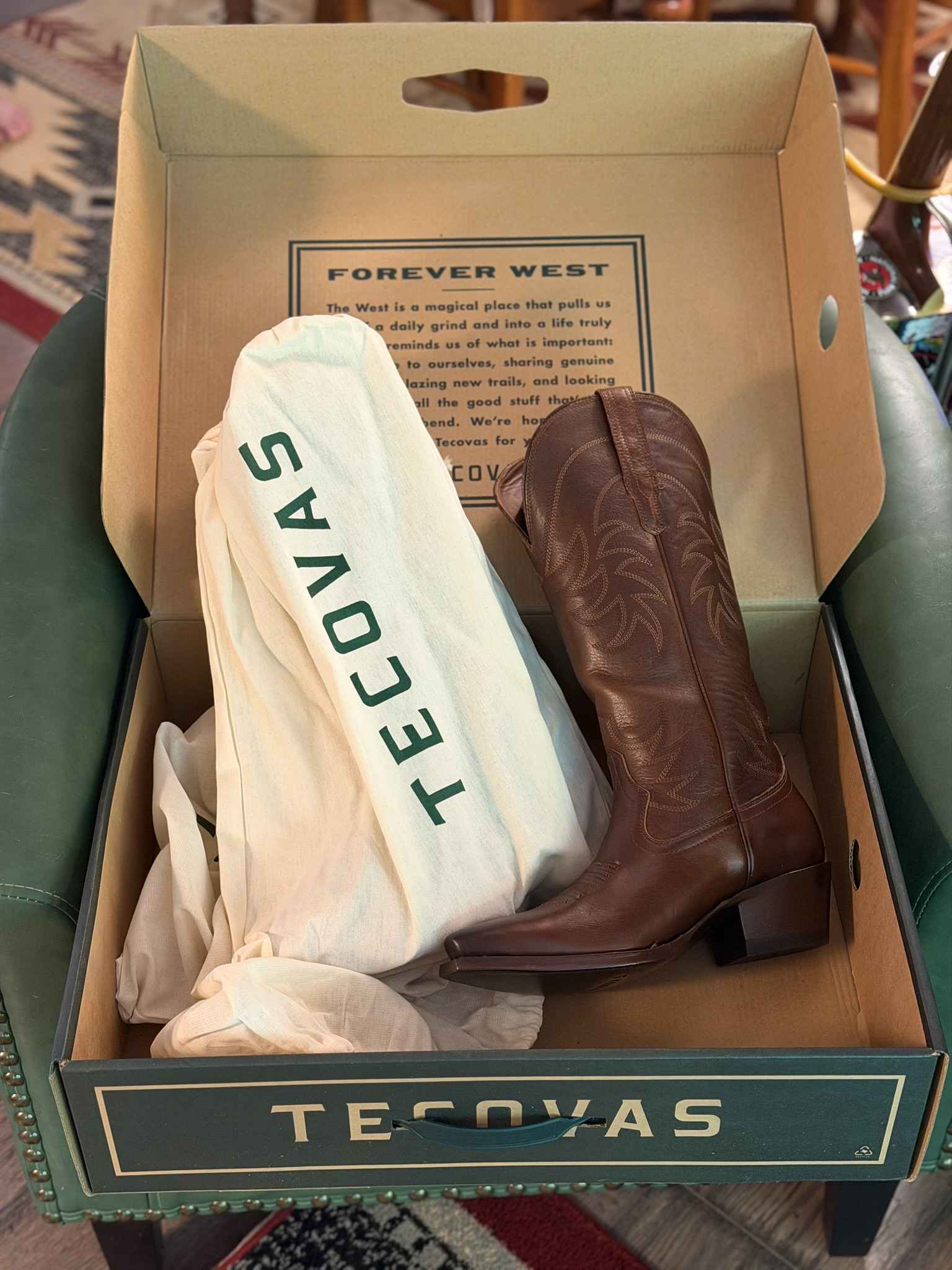
I tested a pair of The Annie in Sequoia Cowhide specifically for this piece, and I went in with the skepticism of someone who’s been through a lot of boots.
The Sequoia colorway does something interesting. It reads differently depending on the light: warm cognac-brown with reddish undertones in direct sun, closer to tobacco indoors, something more neutral and earthy in the evening. The natural grain variation in the cowhide means your pair won’t look exactly like the product photo, but that’s not a flaw. It’s the charm of working with real leather. The shaft is 17 inches, genuinely tall, with Western flame stitching running the full length.
Out of the box, I put them on and walked around for a full day. No blisters…no hot spots…no heel slippage. The break-in period I’ve suffered through with most boots in this category wasn’t there. That lines up with what I’ve heard from other women who’ve tried them. The comfort difference from the first wear is the thing people mention most, not after a few weeks or once the leather softens up, but immediately. The other thing that comes up is the look: these read as a real Western boot without tipping into costume territory, which is the quiet fear behind a lot of first-time cowboy boot hesitation. The heel height and the stitching feel deliberate rather than performative. You can wear them to dinner or to a show barn and neither crowd thinks you got it wrong.
The two-inch heel hits the right balance. It gives you the silhouette without the strain. After several weeks of regular rotation through jeans, dresses, and a couple nights out, the leather has started developing a patina at the toe and heel counter. It looks better now than when it came out of the box, and that is truly what you want from a cowhide boot.
The Annie carries a 4.93 out of 5 rating from hundreds of customer reviews on the Tecovas site. Multiple reviewers mention buying a second pair in a different color almost immediately, which is either a great sign or a dangerous one depending on your budget!
One caveat: The Annie runs low on stock in popular sizes. If you see the color you want in your size, don’t wait on it.
Best for: People new to Western boots who want genuine handcrafted quality without the research overhead, lifestyle wearers who want something they’ll actually wear for daily, anyone who’s been burned by a brutal break-in period before.
Justin Boots: The Dependable Entry Point
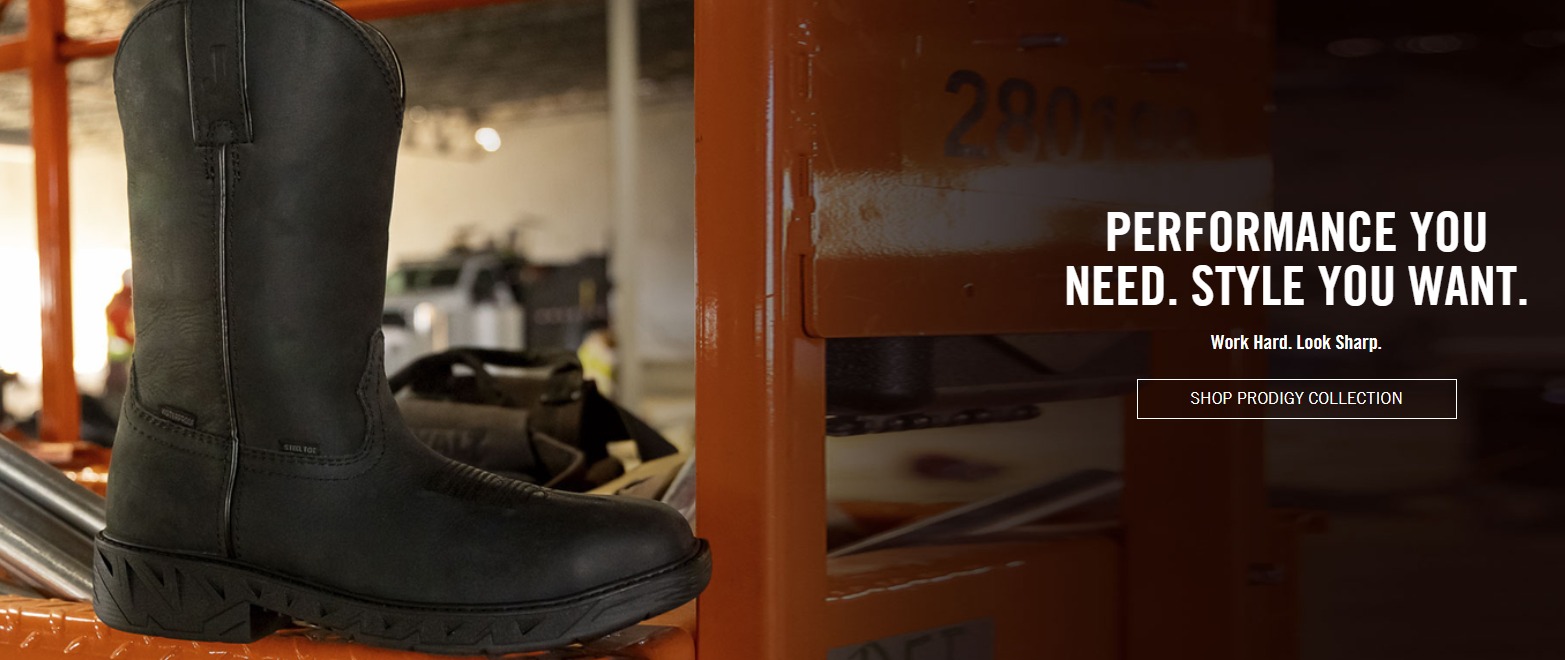
Justin has been making boots in El Paso since 1879, and they were everywhere on the farms I grew up around. At some point, almost everybody had a pair. They were the boots you bought when you needed boots, wanted something familiar, and were not trying to turn the purchase into a whole research project.
I actually bought my husband his first pair of cowboy boots when we met, and they were Justins. He was not a cowboy boot guy yet, so I wanted him to get used to wearing them before spending more on an upgraded pair. Justin boots were the natural choice here. They are easy to find, easy to try on in person, and reasonable for someone who does not want to spend $300 or more on a first pair.
The biggest advantage is how low-pressure they feel. You can walk in, try on a few pairs, get a sense of your size, and leave with something that looks the part without feeling like you just made a major investment. If you already know you love Western boots, I would spend more somewhere the quality difference will show. If you are still figuring out what you like, Justin is a perfectly fine place to start.
Best for: first-time buyers, casual wearers, anyone who wants to test the style before making a real investment.
How to Choose
The decision really comes down to two things: what are you actually doing in them, and how long are you planning to keep them?
- Hard daily use on a farm or around horses, polo groom work, don’t care about traditional look, spring mud and all: Ariat. The durability and comfort under real abuse is unmatched at the price.
- Dress boots you want to wear for twenty years and eventually resole: Lucchese, if the budget allows.
- Daily Western lifestyle wear, genuine craftsmanship, comfortable from day one: Tecovas. The price-to-quality ratio is real, the comfort out of the box is real, and the handmade construction in León is exactly what it says it is.
- Traditional credibility at a mid-range price, and you know how to shop the line: Tony Lama’s 1883 collection is worth your attention.
- Not sure if Western boots are your thing: Justin to start, Tecovas once you’re converted.
I spent years defaulting to whatever boot was functional and affordable enough to get through the next season. Tecovas is what I wish had existed for the years when I wanted to wear a real Western boot somewhere other than a barn but also hold up to real farm work. For most people shopping this category right now, it’s where I’d send them first.